

Aluminum clad wood windows have gained popularity among homeowners for their unique combination of aesthetics and durability. These windows provide the timeless appeal of wood on the interior, while offering the protection and low-maintenance benefits of aluminum on the exterior. For more on maintaining such windows, see our guide on how to maintain aluminium windows.
As with any home improvement choice, it is important to have a clear understanding of potential problems that may arise. Let’s delve into the challenges associated with aluminium clad wood windows and explore how to address them effectively.
1. Condensation
Managing Moisture Build-up
Condensation on aluminum-clad wood windows is a common issue, particularly in colder climates where warm indoor air meets the cooler window surfaces. Over time, persistent moisture accumulation can lead to wood rot, mold growth, and compromised structural integrity in the wooden components of the windows. Learn more about managing condensation on aluminium windows.
While the aluminum exterior is highly durable, the interior wood frame remains vulnerable to prolonged exposure to humidity.
EXPERT TIPS FOR CONDENSATION
- Optimize Ventilation: Use exhaust fans in high-moisture areas during cooking or showering, and periodically open windows.
- Control Humidity: Keep indoor humidity levels strictly between 30–50% using a dehumidifier.
- Upgrade Window Features: Install windows with thermal breaks and energy-efficient glazing to minimize temperature drivers.
You May Also Like
Explore the full Advantages of Aluminum-clad Wood Windows – The Beauty and Strength of Aluminium-Clad Wood Windows
2. Moisture Damage
Preventing Wood Rot and Corrosion
Moisture infiltration at the joints between the aluminum cladding and wood frame is a critical vulnerability in aluminum-clad wood windows. Over time, trapped moisture can degrade the wood (causing rot, mold, or structural weakening) and corrode the aluminum cladding, particularly in coastal or high-humidity environments.
Left unaddressed, this compromises both aesthetics and performance.
MOISTURE PROTECTION ACTIONS
- Routine Inspections: Check seasonally for soft wood spots, peeling paint, or white oxidation on the aluminum frame.
- Seal Gaps Promptly: Remove old caulk completely and apply flexible, weather-resistant silicone or urethane sealants.
- Improve Drainage: Ensure cladding has functioning weep holes or drainage channels to redirect trapped water away.
3. Thermal Expansion
Managing Warping and Buckling
Aluminum-clad wood windows face a unique challenge due to the differing thermal expansion rates of aluminum and wood. Aluminum expands and contracts nearly twice as much as wood with temperature fluctuations, which can strain joints, warp frames, or cause buckling over time.
This compromises the window’s seal, energy efficiency, and aesthetic appeal—especially in regions with extreme temperature swings (e.g., hot days followed by cold nights). Left unchecked, misalignment can lead to air leaks, water infiltration, or operational issues.
UPSIDES
- ✓ Timeless interior wood aesthetics
- ✓ High-durability aluminum exterior protecting against harsh weather
- ✓ Low-maintenance exterior shell requiring no repainting
- ✓ Significantly higher property resale value and insulation comfort
DOWNSIDES
- ✕ Differing material thermal expansion rates can stress joint seals
- ✕ Interior wood stays highly vulnerable to rot if moisture breaches seams
- ✕ Higher upfront investment cost compared to basic vinyl or UPVC
Advanced Technologies
Hybrid Frames: Explore newer designs with pultruded fiberglass or aluminum-wood composites for balanced thermal performance.
Smart Sensors: Install humidity/temperature sensors near windows to alert you to risky conditions.

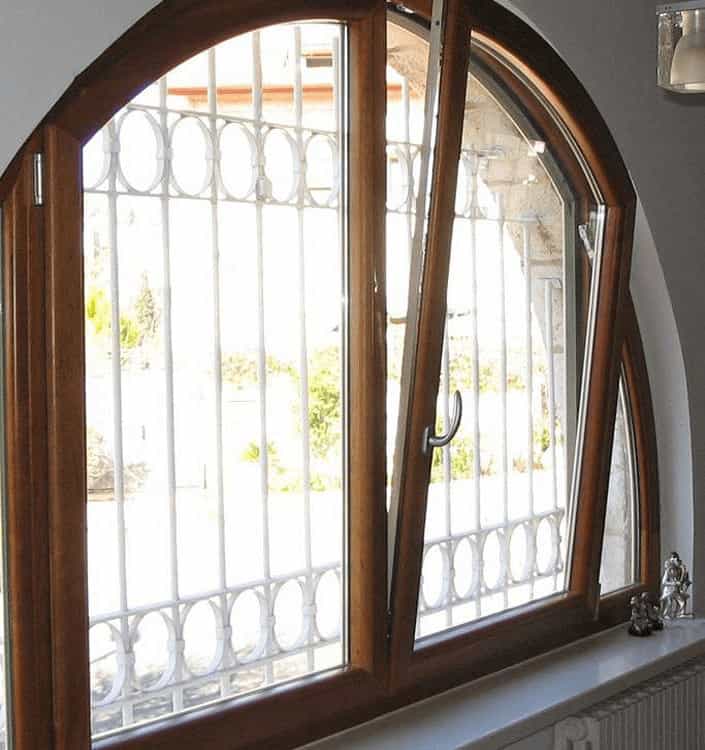
Maintenance
Keeping Your Aluminum Clad Wood Windows in Top Shape
Aluminum clad wood windows offer a refined, timeless look—but they’re not entirely hands-off. To keep them performing well and looking sharp, regular maintenance is non-negotiable.
Clean both the glass and frame routinely, following the manufacturer’s care instructions. Pay special attention to the wooden components—polish and reseal them periodically to guard against moisture intrusion, warping, or rot. Skipping maintenance may shorten their lifespan and lead to costly repairs.
Stick to the recommended schedule, and these windows will reward you with beauty and function for years to come.
Aluminium-clad wood windows offer a beautiful and durable solution for homeowners seeking the best of both worlds. By understanding and addressing potential challenges such as condensation, moisture damage, thermal expansion, and maintenance requirements, you can enjoy the benefits of these windows for years to come. Remember that proper care and vigilance are key to preserving the integrity and aesthetic appeal of your aluminium-clad wood windows.
FAQs
Are aluminum clad wood windows a good investment for my home?
Absolutely! While they have a higher upfront cost, the long-term durability, interior beauty, and structural energy efficiency of aluminum-clad wood windows add substantial equity and lasting climate comfort to your home.
How can I prevent condensation on my aluminum-clad wood windows?
Ensuring proper interior ventilation, running dedicated exhaust fans, introducing fresh seasonal air circulation, and setting a home dehumidifier between 30–50% will minimize immediate surface condensation risks.
What maintenance tasks should I perform to keep my windows in top shape?
While not daily, a regular seasonal routine of cleaning the glass, wiping down tracks, polishing the wood grain, and reapplying flexible sealants across seams is critical to preventing structural moisture damage.
Can thermal expansion lead to permanent damage to the windows?
Yes, uncontrolled extreme expansion strains hardware and seals. Opting for architectural designs built with thermal breaks, slotted screw channels, or stable composite boundaries helps prevent frame deformation.
Are there alternative window options if aluminum-clad wood windows are too expensive?
Yes, pure aluminum systems equipped with advanced thermal breaks are an excellent premium alternative. Weigh the long-term longevity and custom craftsmanship of wood-clad investments against alternative initial outlays.
How can I identify signs of moisture damage on my windows?
Inspect frame surfaces for peeling paint finishes, deep wood discoloration, localized soft spots, or white chalky oxidation along the exterior metal edges. Address discovered spots immediately to preserve performance.
Related Articles


Featured


You May Also Like

Aluminium 7475: The Second-Generation Aerospace Alloy for Su…

Aluminum-Free Deodorant: Misconceptions & Facts
Aluminium 6063 (Aluminum)

Buying Aluminium Casement Windows? Single, Double or Triple …

“I Hate My Low-E Windows!” – 10 Real Homeowner S…
