Article Index
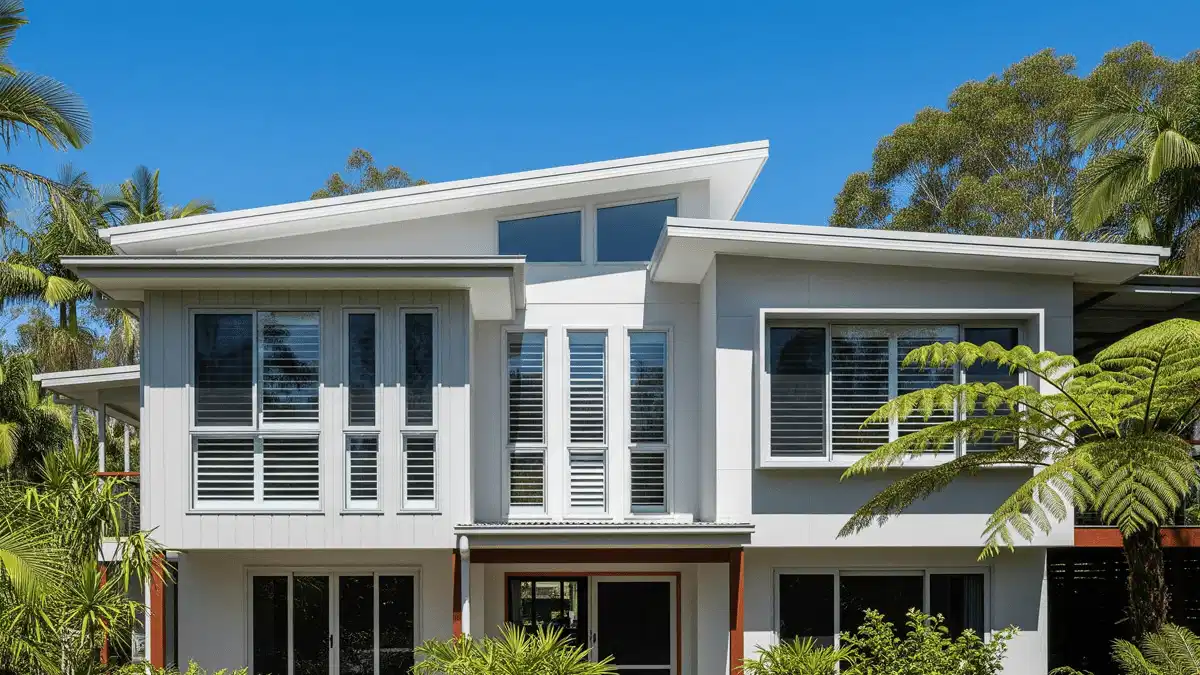
Queensland’s climate is legendary – glorious sunshine, but often accompanied by intense heat and high humidity. While beautiful, this unique weather poses a real challenge for maintaining a comfortable and energy-efficient home. Choosing the right windows isn’t just about aesthetics; it’s about creating a cooler, healthier indoor environment. And when it comes to balancing performance, durability, and quintessential Aussie indoor-outdoor living, aluminium sliding windows are an unbeatable choice for the Sunshine State.
Why Aluminium is QLD’s Perfect Partner
Aluminium might just be the superhero of window materials for Queensland, and for good reason:
- Unrivalled Durability: QLD’s coastal salt spray, relentless sun, and torrential downpours are no match for aluminium. It’s inherently resistant to rust, corrosion, and warping, ensuring your windows look great and perform flawlessly for decades with minimal maintenance.
- Strength & Slim Profiles: Aluminium’s remarkable strength allows for slimmer frame profiles. This means more glass, larger window openings, and uninterrupted views – perfect for embracing QLD’s scenic beauty. Its strength also makes it ideal for supporting heavier, high-performance glazing options like double-glazed units.
- Enhanced Security: The inherent rigidity of aluminium frames, combined with the ability to integrate advanced multi-point locking systems, provides a robust barrier against intruders, offering peace of mind.
- Low Maintenance: Forget constant painting or intricate cleaning. Aluminium requires little more than a regular wipe-down to keep it looking its best. For more tips, refer to this guide on how to maintain aluminum windows.
- Sustainability: Aluminium is a highly recyclable material, making it an environmentally conscious choice for your home. Learn more about how the aluminium industry is driving sustainable development.
Sliding Towards Comfort: 2, 3, & 4-Panel Operations
Sliding windows are a hallmark of modern design, offering incredible functionality without encroaching on valuable indoor or outdoor space. This is particularly advantageous in QLD homes where maximizing ventilation is key.
- 2-Panel Sliding Windows: The classic configuration, featuring one fixed panel and one sliding panel. Simple, efficient, and great for common areas where controlled ventilation is desired. They offer generous openings, inviting the breeze indoors.
- 3-Panel Sliding Windows: Often with two outer fixed panels and a central sliding panel (or vice-versa), these provide a wider opening than a 2-panel system. They’re excellent for medium-sized openings, offering versatile airflow options and broader views.
- 4-Panel Sliding Windows: Ideal for expansive openings, patio doors, or connecting living areas to outdoor entertainment spaces. These often feature two central sliding panels that open from the middle, creating a vast opening that truly blurs the lines between indoors and out. This configuration is a game-changer for maximising cross-ventilation, allowing large volumes of air to flow through your home and significantly reduce indoor heat and humidity – a vital feature for staying cool in QLD. Some systems even offer “stacker” options where multiple panels slide and stack neatly behind one another, creating an almost completely open wall. For more design ideas, see aluminium sliding windows design ideas.
The horizontal operation of these windows means you don’t need to worry about them swinging out into pathways or furniture, making them incredibly practical for any room.
Combatting the Heat: Thermal-Break Profiles
While aluminium is fantastic, it’s a good conductor of heat. In a hot climate like QLD, this can mean unwanted heat transfer into your home. This is where thermal-break aluminium profiles become indispensable.
A thermal break is a non-conductive barrier (usually made of a durable polyamide material) inserted between the inner and outer aluminium frames. This crucial addition disrupts the thermal bridge, significantly reducing the transfer of heat (and cold) through the window frame itself. For more on the material, check out thermal-break material for aluminium windows.
Why are thermal-break profiles important for QLD?
- Superior Energy Efficiency: By minimising heat gain, thermal-break windows reduce the load on your air conditioning, leading to noticeable savings on your energy bills. This is especially vital as QLD homes increasingly aim for higher NCC 7-star energy ratings. You can also explore energy-saving thermal-break aluminium windows benefits.
- Enhanced Indoor Comfort: Less heat transfer means your rooms stay cooler naturally, even on the hottest days. You’ll experience more consistent indoor temperatures without cold spots near windows in cooler months, or hot spots in summer.
- Reduced Condensation: In QLD’s high humidity, the temperature difference between a cool indoor surface and warm, moist air outdoors can lead to condensation forming on window frames. Thermal breaks keep the inner frame closer to the indoor temperature, drastically reducing the risk of unsightly and mould-promoting condensation.
Location-Specific Recommendations:
- Top-Floor Bedrooms: These rooms often bear the brunt of direct sun exposure throughout the day, making them susceptible to significant heat build-up. Thermal-break aluminium sliding windows are highly recommended here to prevent the bedroom from becoming an oven and to ensure a comfortable night’s sleep without excessive reliance on air conditioning.
- Patio Doors / Large Openings: As large expanses of glass, patio doors are major points of heat transfer. Using **thermal-break profiles** for these vital indoor-outdoor connections ensures that your open-plan living areas remain comfortable and energy-efficient, allowing you to enjoy your patio without sacrificing indoor cool. For a comprehensive guide, see the buying guide for aluminium thermal break doors and windows.
Glazing Choices: Single vs. Double Glazed Windows for QLD
Your choice of glass (glazing) is as critical as the frame itself in QLD’s climate.
- Single Glazing Windows: Consists of a single pane of glass. While more affordable upfront, it offers minimal insulation. In QLD, single-glazed windows are far less effective at preventing heat gain and noise transfer. They are more prone to condensation due to the direct temperature difference between inside and out. While low-emissivity (Low-E) coatings can be applied to single glazing to reduce solar heat gain, they still won’t match the performance of a good double-glazed unit.
- Typical U-value (single-glazed aluminium): High (e.g., 6.0 W/m²K or more)
- Typical SHGC (clear single-glazed): High (e.g., 0.80+)
- Double Glazing: Comprises two panes of glass separated by a sealed gap (usually filled with air or an inert gas like argon). This gap acts as an insulating barrier, dramatically improving thermal performance. You can compare single vs. doubled glazed windows: pros & cons.
- Superior Heat Reduction: Double glazing significantly reduces the amount of external heat entering your home. Combined with Low-E coatings and tints (which are crucial for QLD), you can achieve very low Solar Heat Gain Coefficients (SHGC), meaning less heat penetrates the glass. This can lead to up to a 30% reduction in reliance on air conditioning compared to single glazing.
- Enhanced Noise Reduction: The air gap in double glazing is excellent at dampening external noise – from traffic and neighbours to thunderstorms. This creates a quieter, more peaceful indoor environment. While specific Rw ratings vary, double glazing can achieve noise reductions of 30dB or more, a noticeable improvement over single glazing.
- Improved Energy Efficiency: Lower U-values (meaning less heat transfer) translate directly into lower energy bills.
- Reduced Condensation: The inner pane of double glazing remains closer to the room’s ambient temperature, making it much less likely for condensation to form, even in QLD’s humid conditions.
Here’s a comparison table for your reference:
| Feature | Single Glazing (Aluminium Frame) | Double Glazing (Aluminium Frame) |
|---|---|---|
| Heat Reduction | Poor (allows significant heat gain) | Excellent (reduces heat gain significantly) |
| U-value | High (e.g., >6.0 W/m²K) | Lower (e.g., 2.7 – 3.8 W/m²K with Low-E & argon) |
| SHGC | High (e.g., >0.70) | Lower (e.g., 0.20 – 0.50, depending on coatings/tints) |
| Noise Reduction | Limited | Good (significantly reduces external noise, ~30dB+) |
| Condensation | High risk in humid conditions | Low risk (inner pane stays warmer) |
| Energy Savings | Minimal | Significant (reduces AC use, contributes to 7-star ratings) |
For QLD’s climate, double glazing, especially with a Low-E coating and a suitable SHGC, is the recommended standard for aluminium sliding windows. It provides the best long-term solution for comfort, energy efficiency, and a truly enjoyable home environment. For general tips related to windows in Queensland, refer to 7 aluminium window tips for Victoria, New South Wales & Queensland.
Your QLD Home, Your Comfort
Investing in high-quality aluminium sliding windows designed for Queensland’s climate is a smart decision. By combining the strength and versatility of aluminium with the insulating power of thermal-break frames and double glazing, you’re not just installing windows – you’re investing in a cooler, quieter, and more energy-efficient home that truly embraces the best of Queensland living. Discuss your specific needs with a local window specialist to find the perfect configuration and glazing options for your unique home and climate requirements.
Related Articles


Featured

You May Also Like
Architectural Window Styles: Choosing Between Contemporary a…
Matte Finish Vs. Glossy Finish

5 Common Problems with Casement Windows (& How to Fix Th…
Aluminium Stearate (Al(C₁₈H₃₅O₂)₃): The Complete Guide
Which Products Are Made of Aluminium? Ever Noticed These Aro…