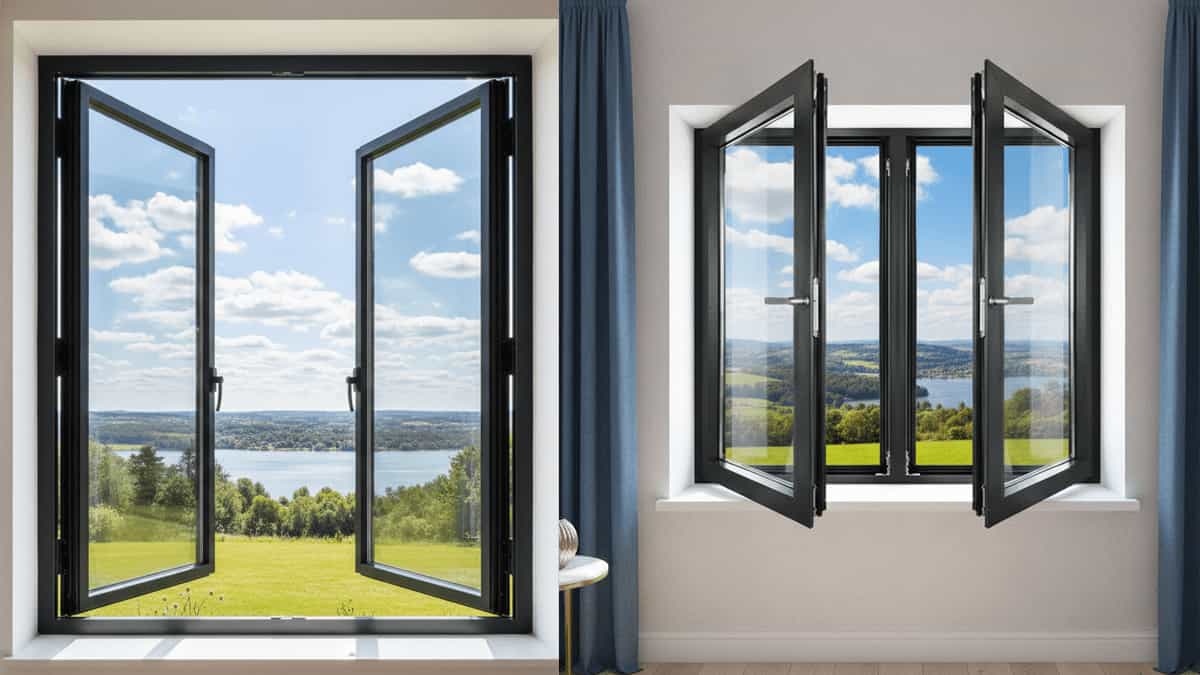
Aluminium casement windows are a popular style of windows hinged on the side, allowing them to open outward or inward like doors. They are known for their sleek design, durability, and modern aesthetic. Aluminum frames are lightweight, corrosion-resistant, and provide a slim profile that maximizes glass area for better views and natural light .
Casement windows are commonly used in residential and commercial buildings due to their excellent ventilation, weatherproofing, and energy efficiency. Their inherent strength also makes them excellent for holding large, heavy panes of glass, often used in modern architectural designs.
🆚 Difference Between “Casement Windows” and “French Casement Windows”
While both types are hinged on the side, their operation and the resulting opening they create are fundamentally different.
1. Traditional Casement Windows
Traditional aluminium casement windows typically feature one or two sashes that open outward or inward. Each sash operates independently.
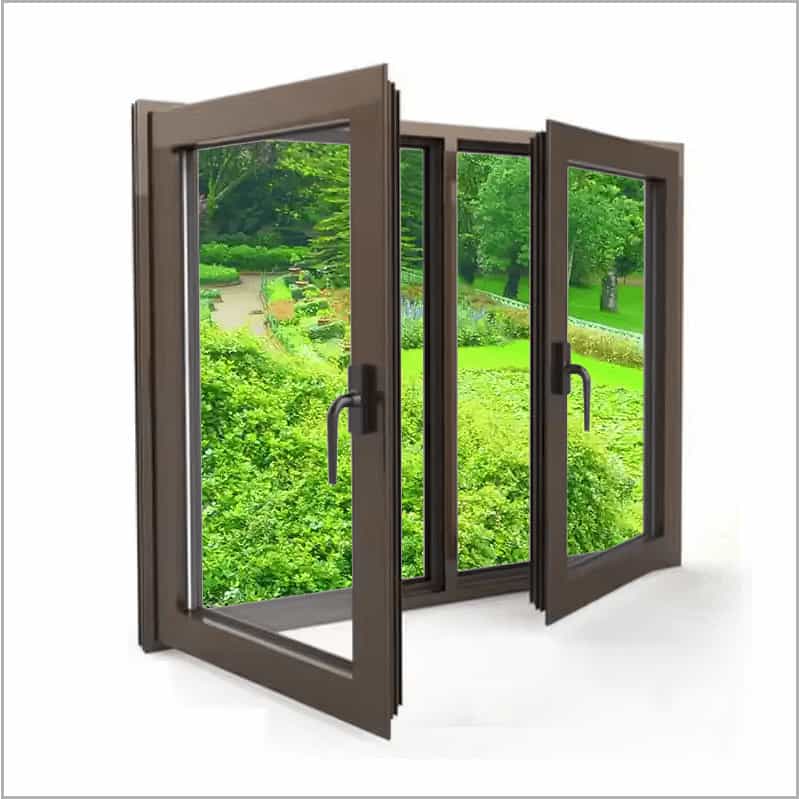
- Design: Typically have one or two sashes that open outward or inward. Each sash operates independently.
- Hinges: Hinged on the side, opening like a door. Can open at various angles for controlled ventilation.
- Ventilation: Provides good, controlled ventilation, but only from the side of the sash that opens.
- Operation: Each sash can be opened or closed individually, and they often include a central vertical post (mullion) for structural integrity and to support the lock mechanism. This central frame may be preferable for added security on ground-floor installations.
Need a secure option? Learn more about the different security ratings and features of aluminium frames: Window Security Features
-Ads-
2. French Casement Windows
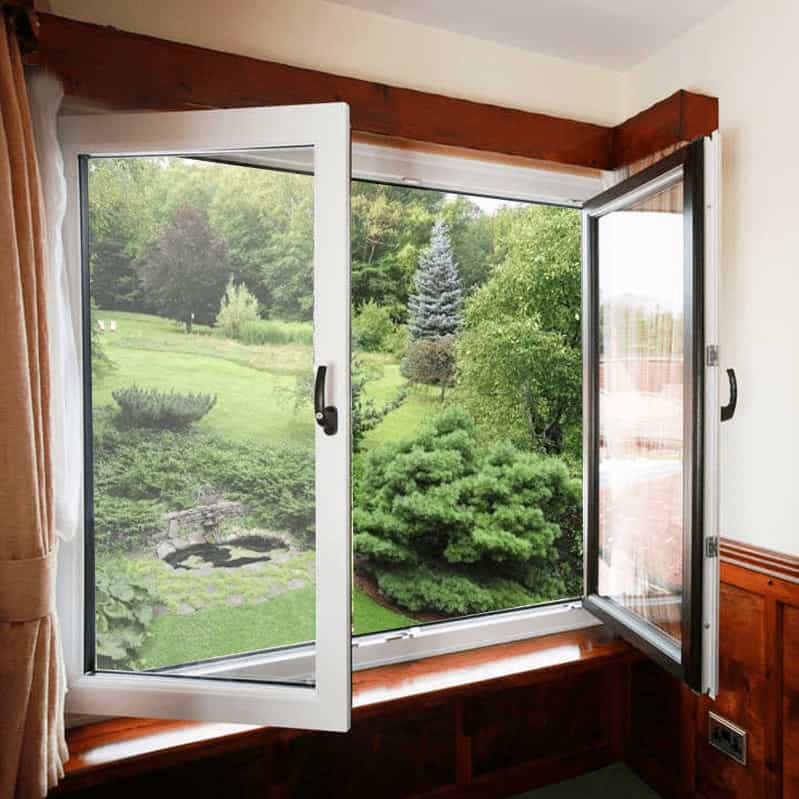
French casement windows are designed to mimic the look of French doors, offering a maximized opening.
- Design: Feature two sashes that open outward like French doors, without a vertical mullion (central post) between them. This creates an unobstructed view when fully opened .
- Hinges: Both sashes are hinged on the side and meet in the middle when closed.
- Ventilation: Offers full, unobstructed ventilation, as both sashes can be opened at the same time, allowing maximum airflow.
- Operation: Both sashes open together, providing a wider, clear-span opening than traditional casement windows.
Considering a larger aperture? French casement windows are often chosen when you want the view of a French door but the size of a window. See how they stack up against other opening types: Sliding vs Casement Window Comparison
-Ads-
📊 Comparison Table: Casement vs. French Casement
The choice between the two often comes down to balancing security, airflow, and view preference.
| Feature | Traditional Casement Window | French Casement Window |
| Central Post (Mullion) | Often present (provides greater security) | Absent (creates clear opening) |
| View When Open | Partially obstructed by the center post/frame | Fully Unobstructed (Clear-span) |
| Airflow | Good (Controlled) | Excellent (Maximum, full opening) |
| Aesthetic | Modern, Sturdy | Elegant, Classic (French Door look) |
| Security Preference | Better for ground floor where security is critical | Better for upper floors or areas with less security concern |
| Best Used For | Bedrooms, Bathrooms, Ground Floor | Living Rooms, Kitchens, High Views |
Key Differences & Final Thoughts
- Unobstructed View: French casement windows provide a clear, uninterrupted view when opened, while traditional casement windows may have a central post or frame blocking part of the view.
- Ventilation: French casement windows allow full access to the outdoors, making them ideal for areas requiring maximum airflow, particularly during warm months.
- Aesthetics: French casement windows offer a more classic, elegant look, often found in traditional or French-inspired architecture, while the traditional type is inherently sleek and modern due to the slim aluminium profile.
Honestly, both have their place. Aluminium Casement windows give you that sturdy middle frame and work great if you want to add a grill — perfect for ground floors where safety matters. French casement windows skip the middle frame, so you get a full, open view and loads of fresh air — ideal for top floors or places where security isn’t a big worry. Simple rule: if safety comes first, go casement. If you want style and an open feel, go French.
-Ads-
Related Articles

Featured

You May Also Like
Aluminium Rolling Ladders: Benefits, Safety, and Selection
Your Home, Your Tech, Your Car… All Powered by One Metal
Aluminium Antimonide (AlSb): The Complete Guide
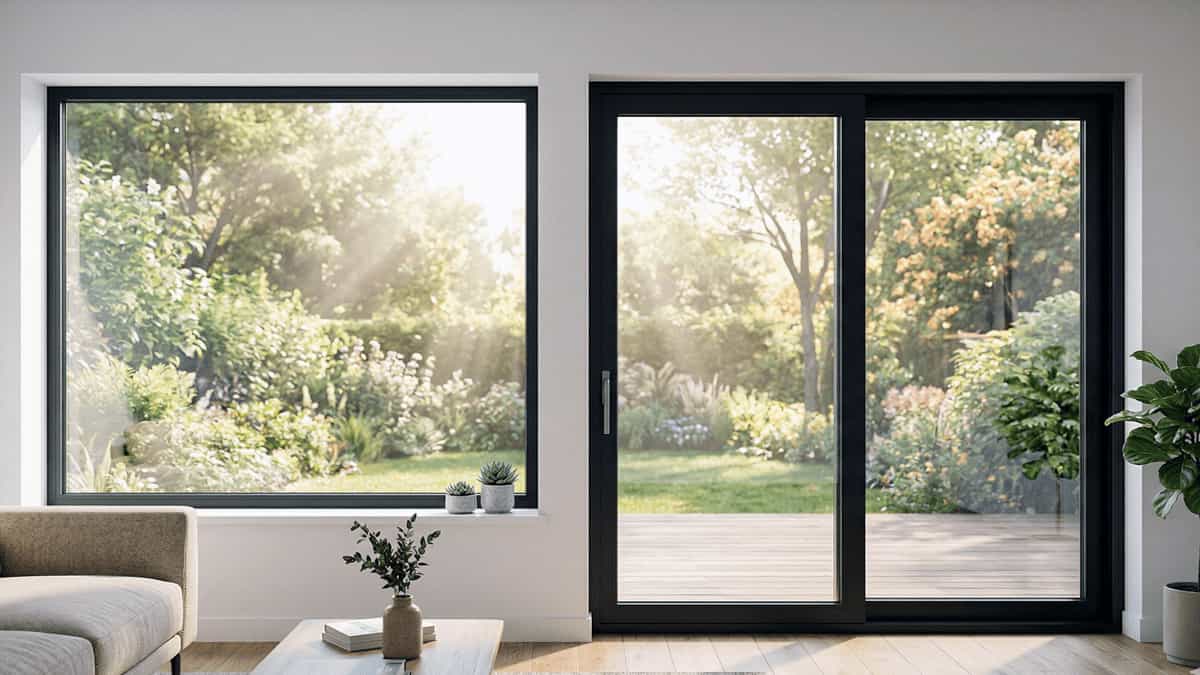
11 Key Energy Efficiency Terms for Windows & Doors Expla…

Rare Earth Minerals and Why China Controls the World’s…