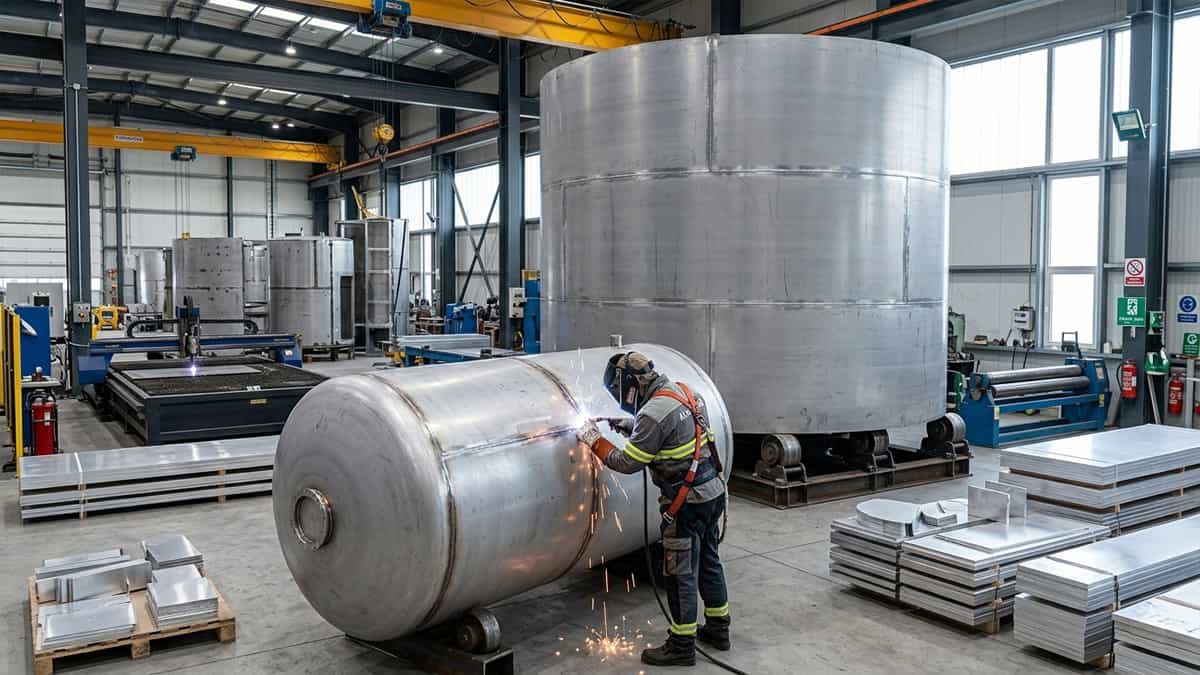
Aluminum channels are versatile extruded profiles that find extensive use across various industries, offering exceptional strength, corrosion resistance, and lightweight properties. This guide delves into their characteristics, benefits, and applications to provide a detailed understanding of these essential structural components.
What Are Aluminum Channels?
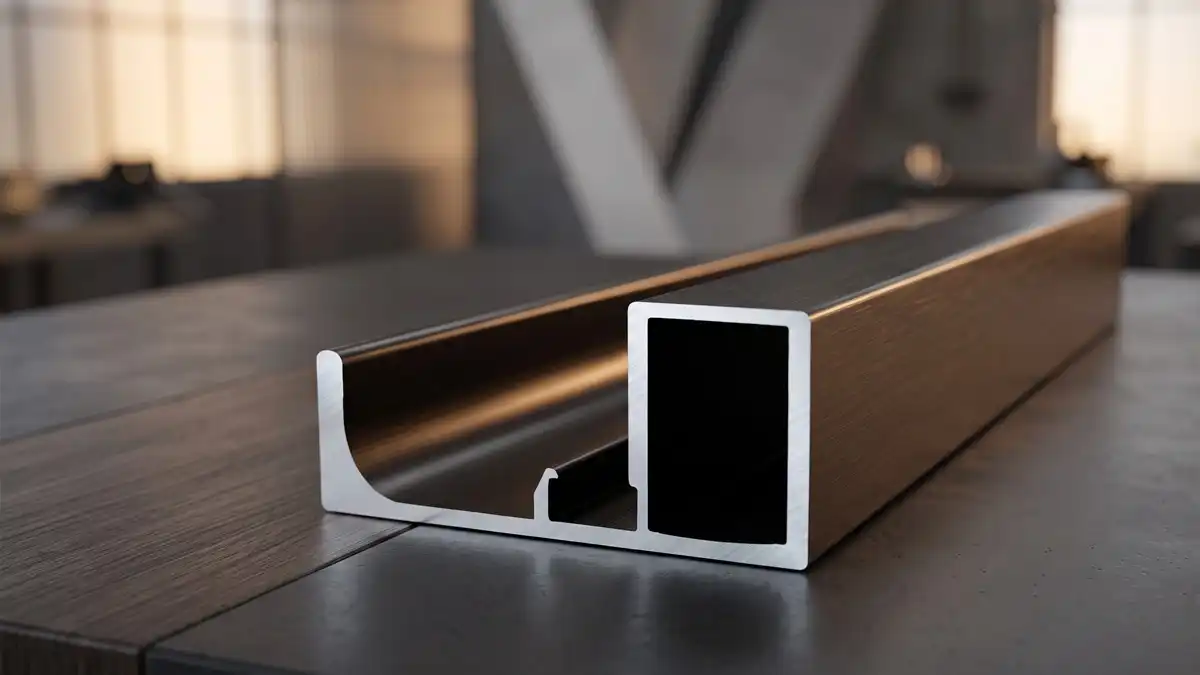
An aluminum channel is a precisely extruded profile shaped into forms such as C, U, or L, tailored for specific structural and aesthetic purposes. These channels are crafted from high-quality aluminum alloys, such as 6061 and 6063, ensuring an optimal balance of strength and resistance to environmental factors.
Key Characteristics of Aluminum Channels
SPECIFICATIONS & GRADES
- ✓ 6061 Alloy Grade: High-strength and superior corrosion resistance for structural framing.
- ✓ 6063 Alloy Grade: Excellent aesthetic finish, highly preferred for architectural installations.
- ✓ Profile Formats: Available in C-Channel (heavy support), U-Channel (tracks/borders), and L-Channel (trims).
- ✓ Surface Finishes: Offered in raw Mill Finish, protective Anodized coating, or decorative Powder-Coated layers.
- ✓ Sizing Variations: Highly versatile with various custom wall thicknesses, leg depths, and widths.
Benefits of Using Aluminum Channels
CORE VALUE ADVANTAGES
- ✓ Lightweight Yet Strong: Drastically reduces structural weight while retaining high load capacity.
- ✓ Natural Corrosion Resistance: Forms a protective oxide layer, making it ideal for wet or outdoor environments.
- ✓ Simple Fabrication: Easy to cut, weld, drill, and shape to fit exact custom templates.
- ✓ Eco-Friendly & Sustainable: Crafted from 100% recyclable material with a very low carbon footprint.
Applications of Aluminum Channels
- Construction Industry: Window and door framing, ceiling grids, studs, and wall partition support structures.
- Transportation Sector: Structural frames for vehicles, cargo trailers, railway cars, and sliding door guides.
- Industrial Manufacturing: Heavy machinery mounting brackets, edge protection, wire runways, and panel reinforcement.
- DIY & Workshop Projects: Customized interior shelving racks, mounting frameworks, and decorative architectural trims.
In-Depth Analysis of Popular Aluminum Channel Types
1. C-Channel

Resembling the letter “C” with outward extending flanges, these profiles are optimized for directional structural integrity.
UPSIDES
- ✓ Heavy-duty structural framework support
- ✓ Machinery panel edge protection
- ✓ Staircase and balcony railing support
DOWNSIDES
- ✕ Provides unmatched structural rigidity
- ✕ Easily modified or fabricated on site
2. U-Channel

Similar to C-channels but defined by parallel flanges and deeper geometric profiles, making them flawless enclosures.
UPSIDES
- ✓ Impact edge protection for wood or glass
- ✓ Tracks for sliding doors and window panels
- ✓ Decorative trims for modern layouts
DOWNSIDES
- ✕ Provides highly effective edge masking
- ✕ Enhances linear aesthetics seamlessly
3. L-Channel (Angle)

Forms a perfect 90-degree right angle, mimicking the letter “L“, engineered primarily to bridge joint intersections.
UPSIDES
- ✓ Reinforcement braces for raw corners
- ✓ Under-countertop bracket load support
- ✓ Lightweight framework frame corner braces
DOWNSIDES
- ✕ High localized stability with minimal material mass
- ✕ Flawless fit for right-angle joins
Best Practices for Selecting Aluminum Channels
SELECTION CHECKLIST
- Determine Application Profile: Match the structural requirement with the right form factor (C, U, or L).
- Assess Environmental Exposure: Rely on anodized or powder-coated surfaces for marine or exterior zones.
- Validate Gauge Specifications: Double-check that your design widths and load parameters line up with the selected alloy class.
Final Thoughts
Aluminum channels, with their lightweight and durable nature, are indispensable across industries ranging from construction to transportation. By selecting the appropriate shape, size, and finish, businesses and individuals can leverage their versatility to create robust and efficient solutions.
Featured


You May Also Like

Why the Aluminum Industry is Essential for Modern Infrastruc…

Aluminium Baking Tray: Pros and Cons, Health Perspective, Cl…

Aluminium Wire: GST Rates & HSN Codes

Top 20 Differences Between Aluminum and Vinyl Windows

Aluminum Step Ladder Features Homeowners Should Look For Bef…