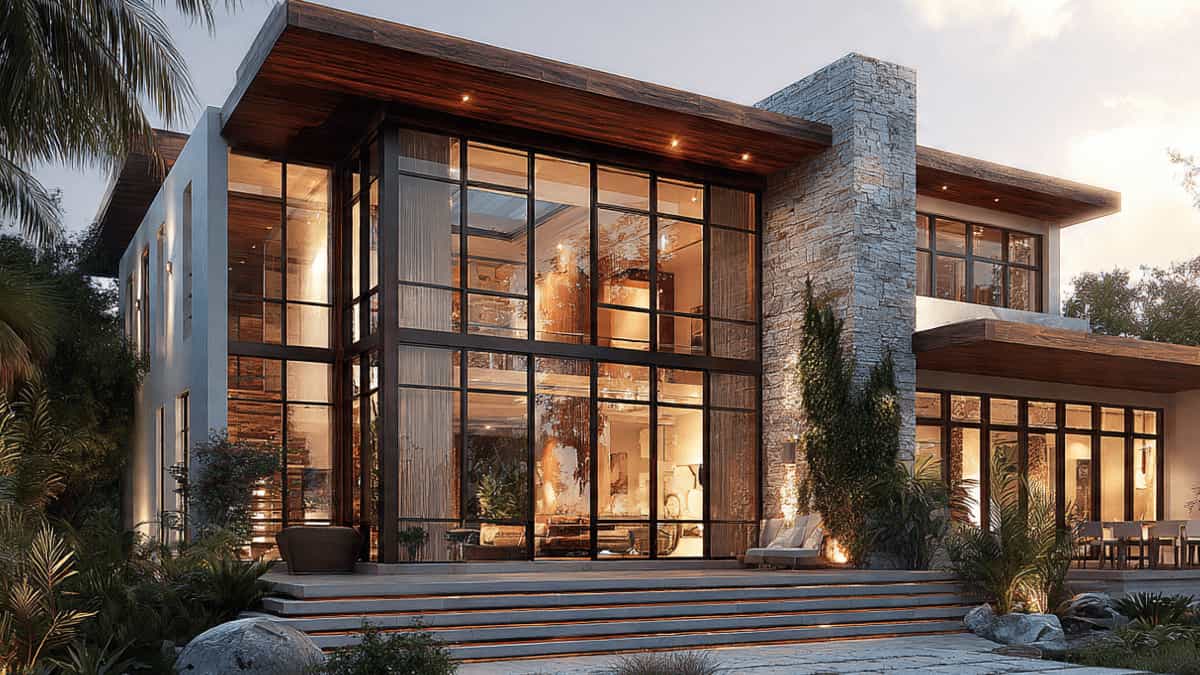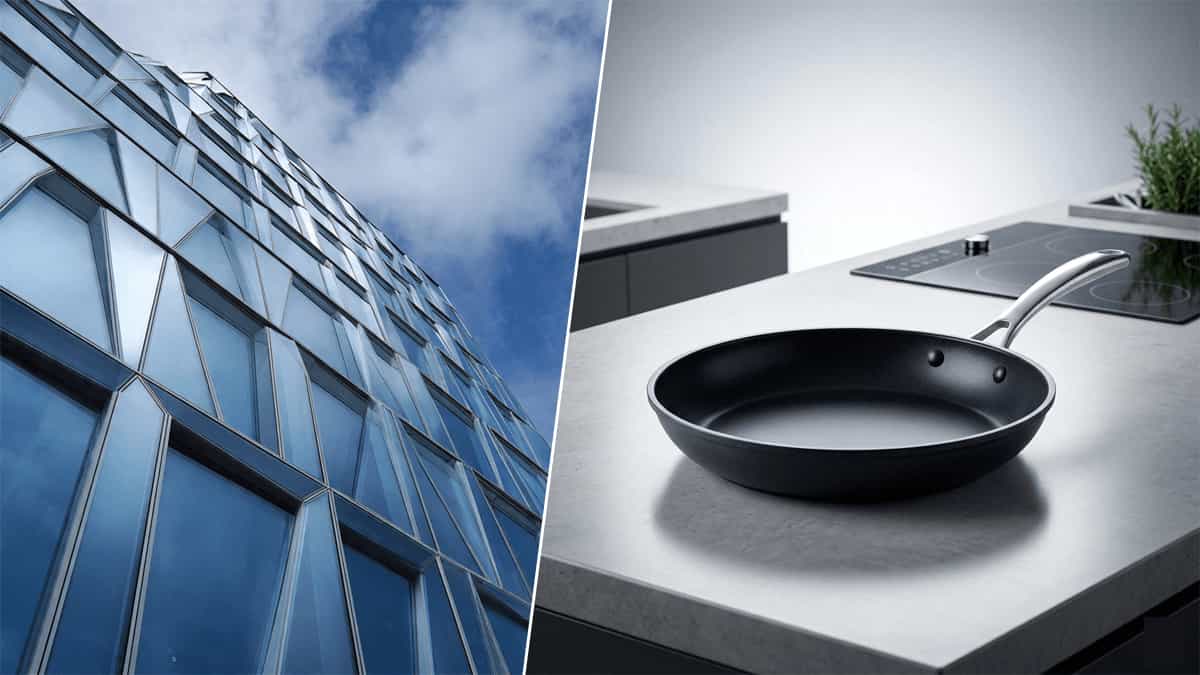
Aluminium anodizing is widely used across industries—from modern building facades to industrial machinery and cookware. But many people don’t realize that anodizing is not a single uniform process. To understand the foundation of this material, you can explore what is aluminium and how is it made.
In practice, there are two major categories used globally:
- Architectural anodizing
- Hard anodizing
Both involve creating a protective oxide layer on aluminum through an electrochemical process. However, their purpose, thickness, and applications are very different. Understanding these differences is important for architects, builders, manufacturers, and buyers selecting aluminum products.
What Is Architectural Anodizing?
Architectural anodizing is specifically designed for construction and exterior design applications. The main goal is to provide long-term weather protection while maintaining an attractive metallic finish.
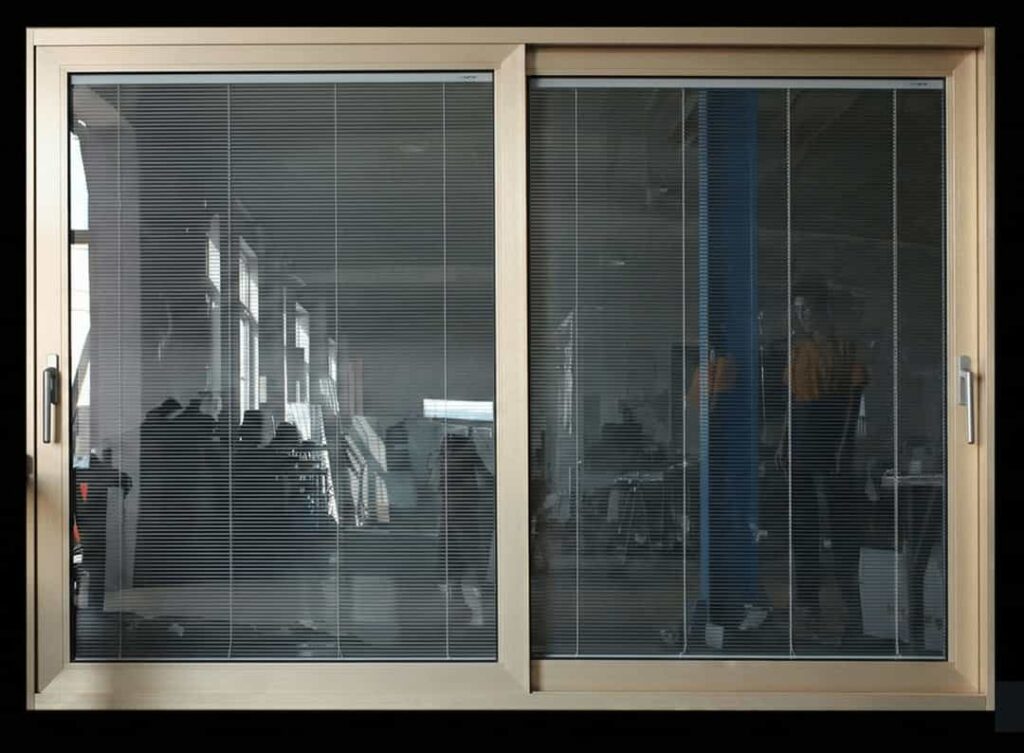
You will commonly see architectural anodized aluminium used in:
- Aluminium windows and doors
- Aluminium sliding windows and frames
- Curtain wall systems
- Exterior facade panels
- Railings and structural trims
Because these components are exposed to sunlight, rain, humidity, and pollution, the anodized layer protects aluminum from corrosion, fading, and surface damage.
Typical Thickness for Architectural Anodizing
The protective oxide layer is measured in microns (µm). Common specifications used worldwide include:
| Application | Typical Thickness |
| Indoor aluminium products | 10–15 µm |
| Exterior building applications | 20 µm |
| Coastal or marine environments | 25 µm or more |
Buildings located near oceans often require 25-micron anodizing because salt in the air accelerates corrosion. For more technical details on surface treatments, see the guide on coating standards.
Appearance and Color Options
Architectural anodizing is valued for its clean metallic aesthetic. Common finishes include natural silver, champagne, bronze, and black anodized aluminium. Unlike paint, anodizing integrates with the metal surface, so it does not peel or flake over time.
Interesting Industry Insight:
In the architectural world, 25-micron anodizing is considered a premium specification for aluminium used in buildings and facades. However, in the engineering and manufacturing sector, 25 microns is often viewed as relatively thin.
Industrial applications typically require 50–60 micron hard anodizing to achieve the higher wear resistance needed for mechanical components.
What Is Hard Anodizing?
Hard anodizing—sometimes called Type III anodizing—is designed for industrial durability rather than aesthetics. Instead of focusing on appearance, this process creates a much thicker and harder oxide layer that significantly improves wear resistance.
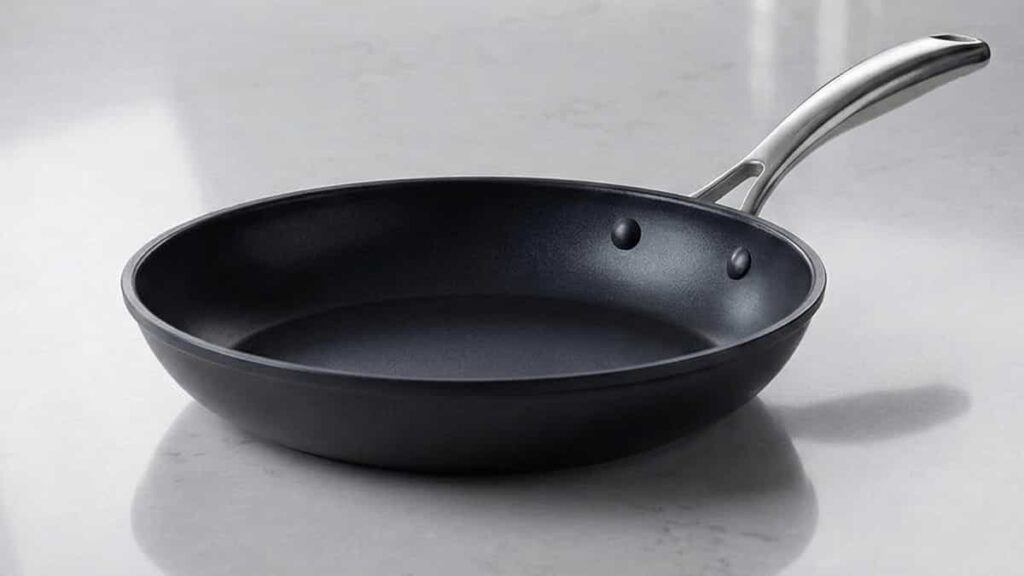
Hard anodized aluminum is commonly used in:
- Automotive components
- Aerospace parts
- Hydraulic systems
- Industrial machinery components
- High-quality cookware (hard anodized pans)
Because the coating is thicker and denser, the aluminum becomes extremely resistant to abrasion, friction, and mechanical stress. This is particularly useful for high-performance alloys like Aluminium 6061-T6.
Typical Thickness for Hard Anodizing
Hard anodizing produces a much thicker coating than architectural anodizing.
| Application | Typical Thickness |
| Industrial components | 40–60 µm |
| Heavy-duty mechanical parts | 60–70 µm |
The thicker layer makes the aluminum surface significantly harder—sometimes approaching the hardness of hardened steel.
Surface Appearance
Unlike architectural anodizing, hard anodizing is not decorative. The surface typically appears dark grey, charcoal, or matte black. The focus is purely functional performance rather than visual design.
Hard Anodizing vs Architectural Anodizing: Key Differences
| Feature | Architectural Anodizing | Hard Anodizing |
| Primary purpose | Appearance and weather protection | Mechanical strength and wear resistance |
| Typical thickness | 15–25 µm | 40–70 µm |
| Surface look | Smooth metallic decorative finish | Dark matte industrial finish |
| Common industries | Construction and architecture | Engineering and manufacturing |
| Color options | Multiple decorative tones | Usually dark grey or black |
Why the Difference Matters
Choosing the right anodizing type depends entirely on the application.
- A modern building facade needs a finish that resists weather while maintaining a premium metallic appearance. Architectural anodizing is ideal here.
- A machine piston or industrial part must survive constant friction and pressure. Hard anodizing provides the required durability.
Using the wrong anodizing type can lead to premature wear, corrosion, or unnecessary costs.
Although both processes fall under the same anodizing technology, architectural anodizing and hard anodizing serve completely different purposes.
- Architectural anodizing focuses on appearance and outdoor durability.
- Hard anodizing focuses on extreme strength and industrial performance.
For architects, engineers, and aluminium buyers, understanding this difference ensures the right material aluminum specification for long-term reliability.