

Installing aluminium sliding windows feels like an easy win—until you realise they’re not the right fit for every spot in your home. In some locations, they deliver smooth operation, great airflow and clean modern vibes… and in others, they turn into a headache with noise, dust, drafts or awkward usability.
This guide breaks down the good and the bad locations so you can avoid the classic installation mistakes and choose exactly where aluminium sliding windows actually perform their best.
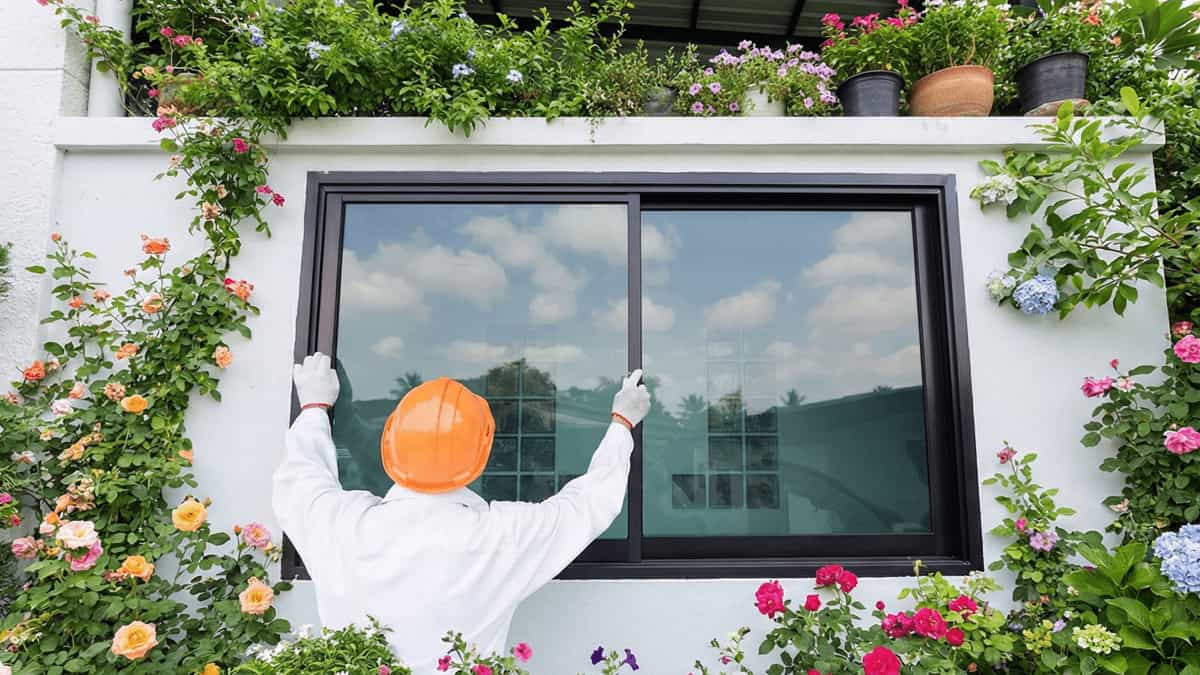
✅Good locations for aluminium sliding windows:
Living Rooms (Panoramic Views)
Why: Aluminium has a high strength-to-weight ratio, allowing for slim frames and massive glass panes. Large 3-track or 4-track sliders can create a “glass wall” effect that maximizes natural light.
Patios & Balconies (The #1 Choice)
Why: Zero swing radius. Unlike casement windows or doors that require clearance space to open, sliders glide parallel to the wall. This allows you to place furniture or plants right next to the window without obstruction.
Narrow Walkways & Corridors
Why: Because the sashes don’t protrude outward, they are the safest option for exterior walkways or paths where an open casement window would block movement or cause injury.
Kitchens (The “Serving Hatch”)
Why: Installing a sliding window above the kitchen sink or counter allows it to double as a “serving hatch” to pass food/drinks to an outdoor patio. It’s also easier to reach and slide open over a wide counter than cranking a handle.
Basements (Egress Compliant)
Why: Many building codes require basement windows to be large enough for escape (egress) in a fire. A sliding window is often easier to operate quickly and provides a wide clear opening compared to small hoppers or awnings.
😟Bad locations for aluminium sliding windows:
Ground Floor Bedrooms (Security Concern)
Why: Standard sliders are the easiest window type to force open or lift out of their tracks from the exterior.
The Fix: If used here, you must specify “anti-lift blocks” and keyed multi-point locks to prevent intruders.
Noisy Streets (Acoustic Weakness)
Why: To slide smoothly, there must be a tiny gap between the sash and the rail. This gap allows sound to leak through more easily than a casement window, which clamps shut tightly.
High-Wind & Coastal Zones (Weather Sealing)
Why: Sliding windows rely on brush seals (hair-like strips) rather than compression rubber seals. In hurricane zones or high-rise apartments facing direct wind, water can eventually be pushed through the tracks during heavy storms.
Bathrooms (Privacy Issues)
Why: To get ventilation, you have to slide the window open, which creates a large clear gap that compromises privacy. Top-hung or Louvre windows are better here as they allow air in while deflecting the view from outside.
When deciding on window placement, remember: Sliding windows maximize space, but Casement windows maximize sealing.
Consider the wind load, security risk, and acoustic needs of each specific wall. For the best long-term performance, consult with a glazing professional who can calculate the correct ‘Wind Load Pascal Rating‘ for your specific location.
Related Articles

Featured


You May Also Like
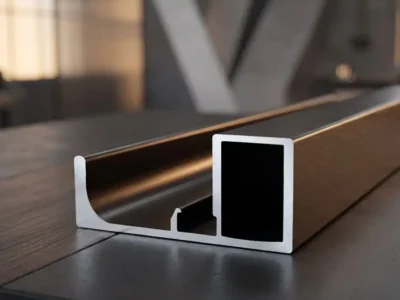
Aluminum Channel Shapes: C, U & L Profiles and Their Use…

Aluminum Industry’s Hidden Treasures: Profitable Niche…

Raw Aluminum – Aluminum Not Alloyed Ingots

Aluminium Trihydrate: Why Demand is Rising in African Countr…

How the Iran War Is Disrupting the Global Aluminium Market
