
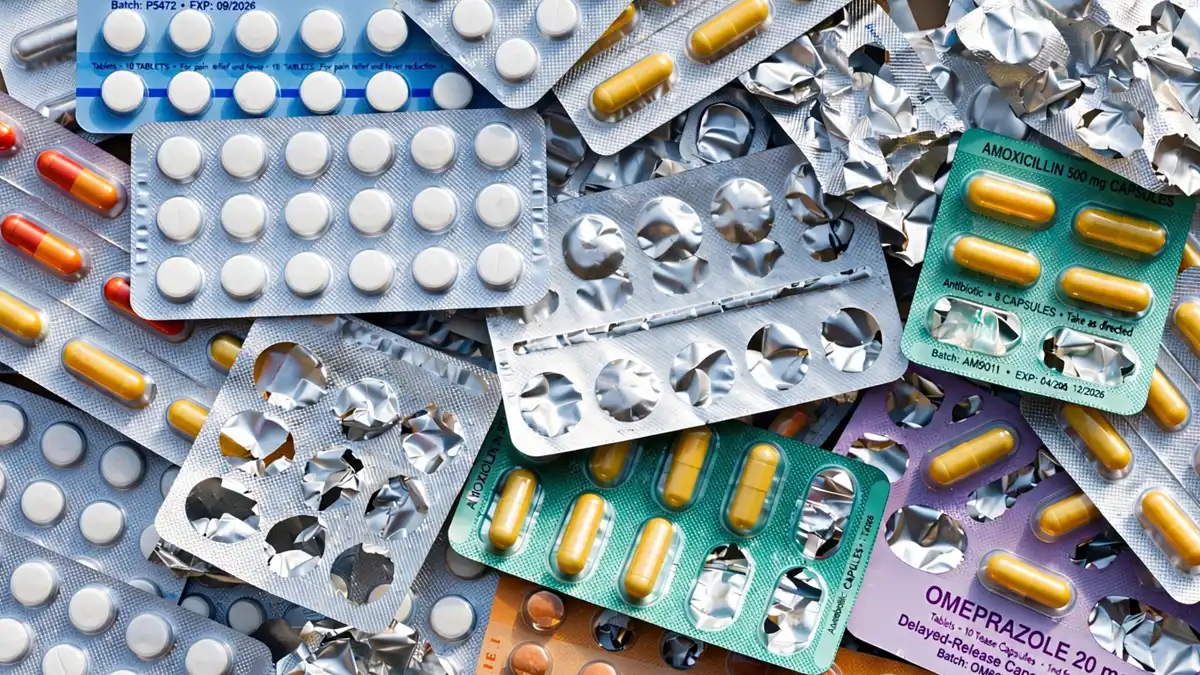
From life-saving vaccine formulations to heavy-duty medical hardware and airtight contamination barriers, aluminum is a quiet cornerstone of modern medical engineering. Its unique physical and chemical characteristics make it a critical material across all stages of pharmaceutical manufacturing, packaging, and patient care.
Core Medical Roles of Aluminum
- Biomedical Formulations: Serves as a vital compound in gastrointestinal therapies and as an essential adjuvant to stabilize and boost modern vaccine performance.
- Ultra-Pure Barrier Packaging: Provides absolute physical isolation against moisture, atmospheric oxygen, and UV degradation to safeguard product shelf life.
- Clinical Device Engineering: Offers high strength-to-weight ratios, corrosion resilience, and sterilization durability for surgical instruments and hospital floor equipment.
Biochemical Applications: Formulations and Vaccines
Aluminum compounds actively function within medical therapeutics and preventative biology due to their highly stable, specialized chemical properties.
Key Pharmaceutical Compounds
- ✓ Aluminum Hydroxide [Al(OH)₃] as an Antacid: Widely utilized in over-the-counter gastrointestinal suspensions to safely neutralize excess gastric acid and treat peptic ulcers.
- ✓ Immunological Adjuvants in Vaccines: Specialized aluminum salts (including aluminum phosphate and aluminum hydroxide) act as stabilizing agents that enhance the human body’s localized immune response to targeted antigens.
- ✓ Essential Prophylactic Support: This chemical stabilization is key to the production and shelf-life efficacy of routine vaccines against hepatitis, diphtheria, tetanus, and pertussis.
Pure Barrier Protection: Pharmaceutical Packaging
Pharmaceutical packaging requires complete protection against environmental factors. Aluminum foil provides an absolute barrier that standard plastics cannot match, completely sealing out elements that compromise chemical stability.
PACKAGING BENEFITS
- ✓ Airtight Foil Blister Packs: Protects individual tablets and capsules from humidity, ambient light, and oxidative gases.
- ✓ High-Speed Strip Packaging: Safely isolates individual medication doses to minimize clinical handling contamination risks.
- ✓ Zero Material Reactivity: The non-toxic surface ensures that active drug components never interact chemically with their protective wrapper.
CHALLENGES
- ✕ Higher material production cost than basic uninsulated synthetic polymers.
- ✕ Requires precision laminating machinery to correctly seal with backing substrates without causing micro-punctures.
- ✕ Increased recycling complexity when permanently bonded to custom multi-layer plastic backing films.
Medical Hardware & Surgical Device Engineering
Beyond packaging and biochemical formulas, structural aluminum alloys are vital on hospital floors and inside surgical theaters due to their distinct mechanical properties.

Material Advantages in Clinical Settings
- Weight Reduction & Ergonomics: Significantly lighter than stainless steel, reducing physical fatigue for surgical teams handling precision instruments over long procedures.
- Oxide-Layer Corrosion Resistance: Forms a natural, non-porous passivation layer that protects equipment through aggressive chemical washes and autoclaving cycles.
- Biocompatibility Parameters: Select medical-grade aluminum alloys are structurally engineered for specific short-term implantable components, such as orthopedic bone plates and structural fixation screws.
- Veterinary Safety Innovations: Heavy-duty aluminum hubs and robust syringe housings provide the durability required for administering large-animal veterinary treatments without breaking.
Common Aluminum Medical Applications
- Surgical Instruments: Lightweight housings, forceps mechanisms, retraction clamps, and scalpel handles.
- Diagnostic Tools: Structural acoustic tubes inside precision medical stethoscopes.
- Hospital Infrastructure: Mobile patient gurneys, adjustable IV poles, crutches, lightweight wheelchairs, and modern hospital bed frames.
Learn More About Aluminum’s Versatility
Aluminum’s role extends far beyond the medical field. Its unique combination of strength, lightweight properties, and durability makes it a critical material in countless industries. To explore how aluminum is used in other applications and understand its broader impact on modern technology and infrastructure, check out these related articles:
- The Versatility of Aluminum in Construction and Automotive – Discover how aluminum’s lightweight and corrosion-resistant properties are revolutionizing these two major industries.
- Which Products Are Made of Aluminum? – A comprehensive guide that showcases the incredible variety of everyday and industrial products that depend on aluminum.
- Forged vs. Hard Anodized Aluminum – Dive deeper into the anodizing process, a key technology that enhances aluminum’s surface durability and corrosion resistance, which is also critical in medical applications.
Aluminum in Pharma & Healthcare FAQs
Are the aluminum salts used in routine vaccinations safe?
Yes. Aluminum adjuvants have been safely incorporated into global vaccine formulations for nearly a century. The trace amounts utilized are heavily regulated, thoroughly tested, and naturally processed by the human body without causing toxicity.
Why is aluminum chosen over plastics for premium blister packs?
Plastics permit microscopic gas and moisture transmission over long periods. Aluminum foil forms an absolute, zero-permeability physical barrier that ensures volatile drug molecules retain full clinical efficacy until their exact expiration date.
Can hospital cleaning chemicals degrade aluminum medical equipment?
Standard raw aluminum can degrade, but clinical equipment utilizes high-grade anodized aluminum. This electrochemical process thickens the protective surface oxide layer, rendering it highly resistant to harsh hospital disinfectants.
Featured



You May Also Like

Aluminium’s Key Role in the Electric Vehicle Revolution

Causes Air Leaks Around Windows: Stop Drafts & Save Ener…

Aluminum Fence for Any US Climate Durable and Low Maintenanc…
Aluminium 7068 (Aluminum 7068): The Ultimate Strength Alumin…
Toughened Glass Vs. Laminated Glass: The Ultimate Safety Gla…
