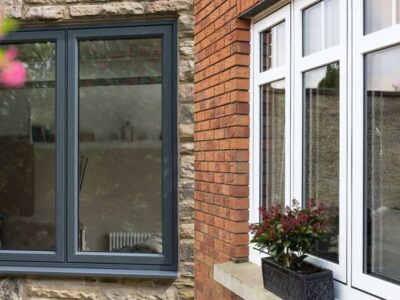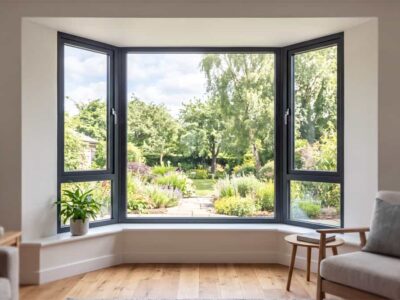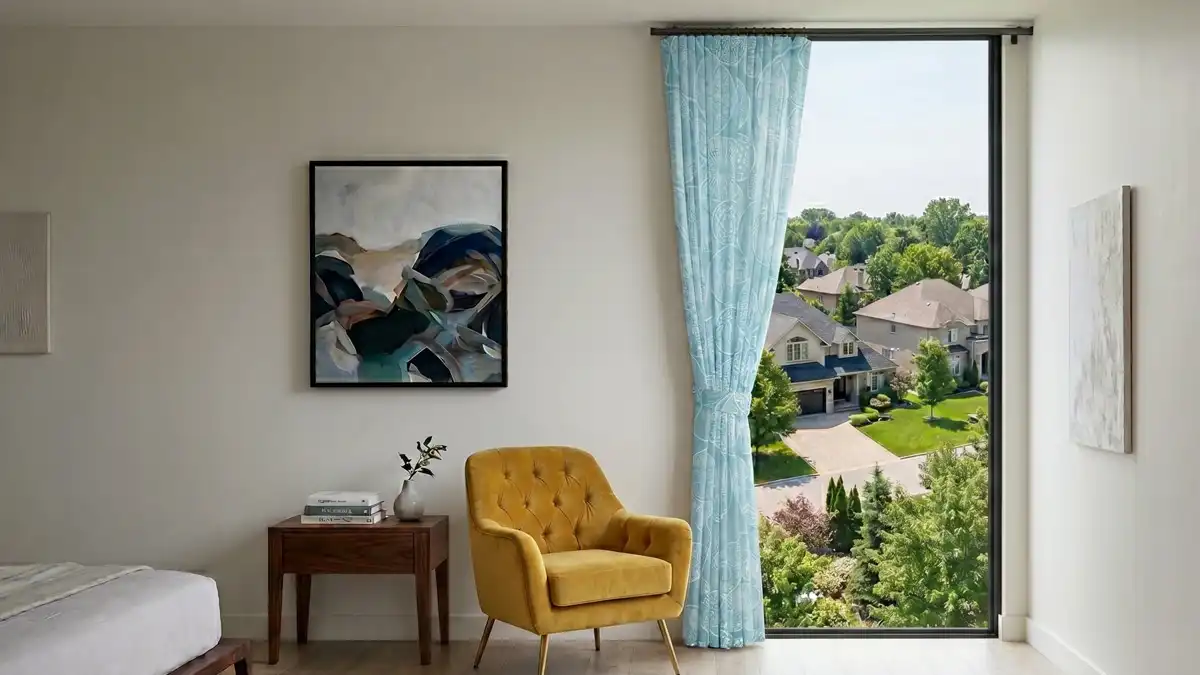
A picture window is a large fixed glass window designed to provide wide, unobstructed views of the outdoors. Unlike sliding, casement, or awning windows, a picture window does not open. Instead, its purpose is to frame the outside scenery like a picture while allowing abundant natural light to enter the room.
Picture windows are typically made with a single large glass panel set within a frame. Because there are no moving parts, they offer a clean, minimalist appearance and can often achieve excellent energy efficiency when paired with modern glazing technologies.
The name “picture window“ comes from its ability to frame outdoor scenery just like a picture frame. Whether overlooking a garden, mountains, a lake, or a city skyline, picture windows create a visual focal point and make interior spaces feel larger and brighter.
Picture windows are commonly installed in:
- Living rooms
- Dining rooms
- Staircases
- Home offices
- Hotels and resorts
- Commercial office buildings
They are especially popular in homes where maximizing views and natural light is more important than ventilation.
Fixed/Picture Window Sizes
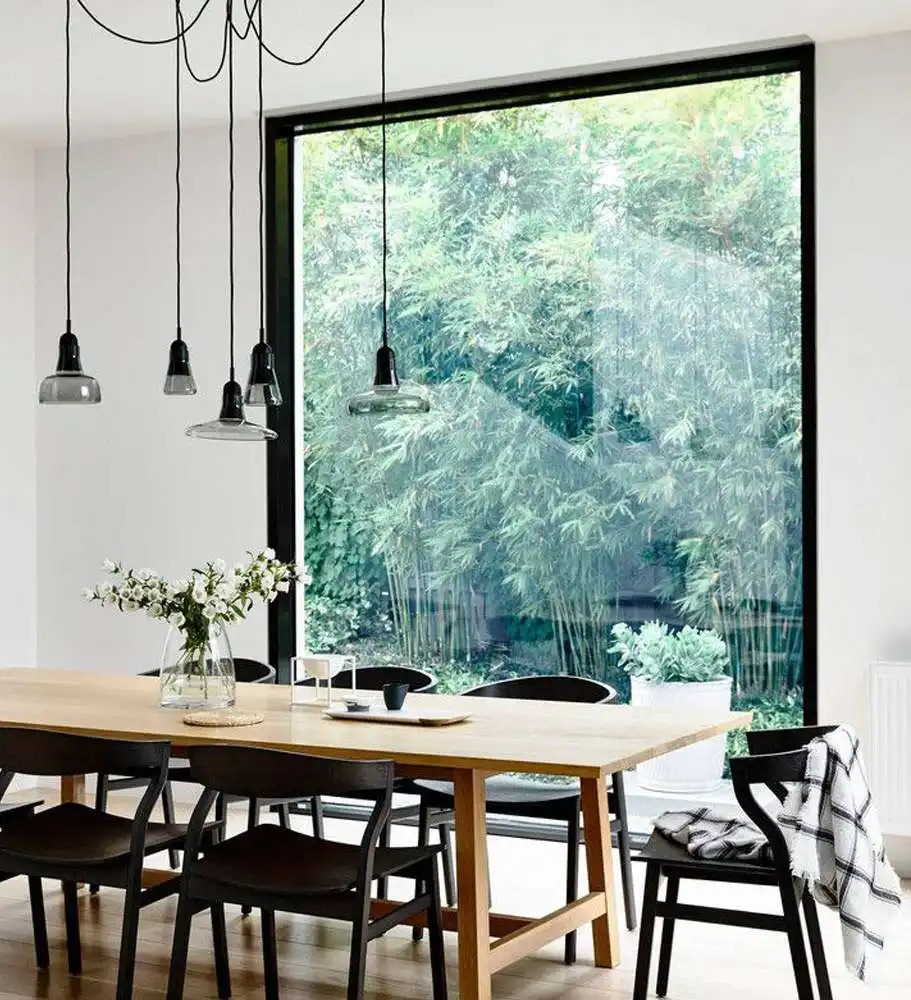
One of the defining features of a picture window is its large glass area. Picture windows are available in both standard and custom sizes, allowing homeowners to choose dimensions that suit their architecture and viewing requirements.
Standard picture window sizes generally range from:
- Width: 2 ft to 8 ft or more
- Height: 3 ft to 8 ft or taller
Custom picture windows can be manufactured in even larger dimensions, depending on the structural design of the building and local building codes.
When selecting a picture window size, consider:
- Available wall space
- Desired outdoor view
- Room orientation
- Energy efficiency requirements
- Overall architectural style
Large picture windows create dramatic views and allow more daylight, but they should be paired with appropriate glass specifications to maintain indoor comfort and energy performance.
Energy Efficiency of Picture Windows
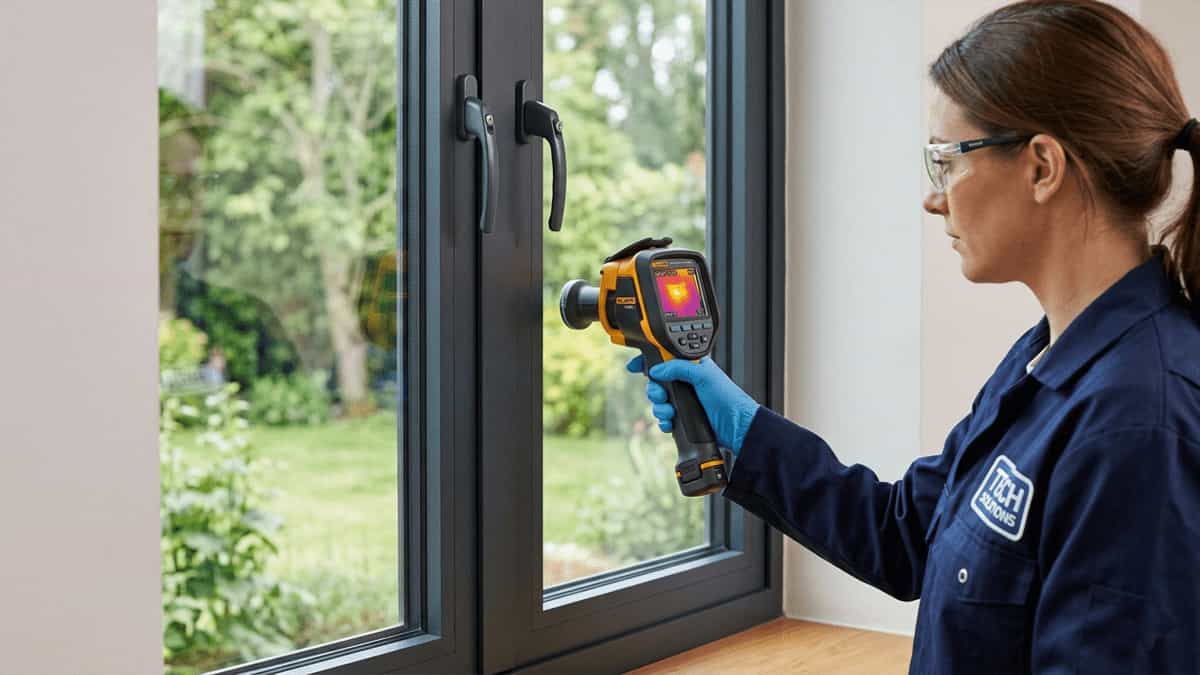
Picture windows can be highly energy efficient because they are fixed and airtight. Since there are no operable sashes, hinges, or sliding tracks, there are fewer opportunities for air leakage compared to operable window types.
Modern picture windows can further improve energy performance when equipped with:
- Double or triple glazing
- Low-E glass coatings
- Argon gas-filled glass units
- Thermal break aluminium frames
- Proper sealing and professional installation
ADVANTAGES
- ✓ Wide unobstructed views
- ✓ Brings in abundant natural light
- ✓ Modern and elegant appearance
- ✓ Airtight and energy efficient
- ✓ Low maintenance
- ✓ No moving parts or hardware
LIMITATIONS
- ✕ Cannot be opened for ventilation
- ✕ Privacy may be a concern
- ✕ Large sizes can be expensive
- ✕ Requires proper glass selection in hot or cold climates
Bottom Line:
Picture windows are ideal for homeowners who want panoramic views and maximum daylight. If ventilation is important, they are often paired with operable windows such as casement or sliding windows.
However, because picture windows often have large glass areas, choosing the right glass specification is important. In hot climates, solar-control or Low-E glass can reduce heat gain, while in colder climates, triple glazing may help improve insulation.
For homeowners seeking panoramic views without sacrificing energy efficiency, a properly designed picture window is often an excellent choice.