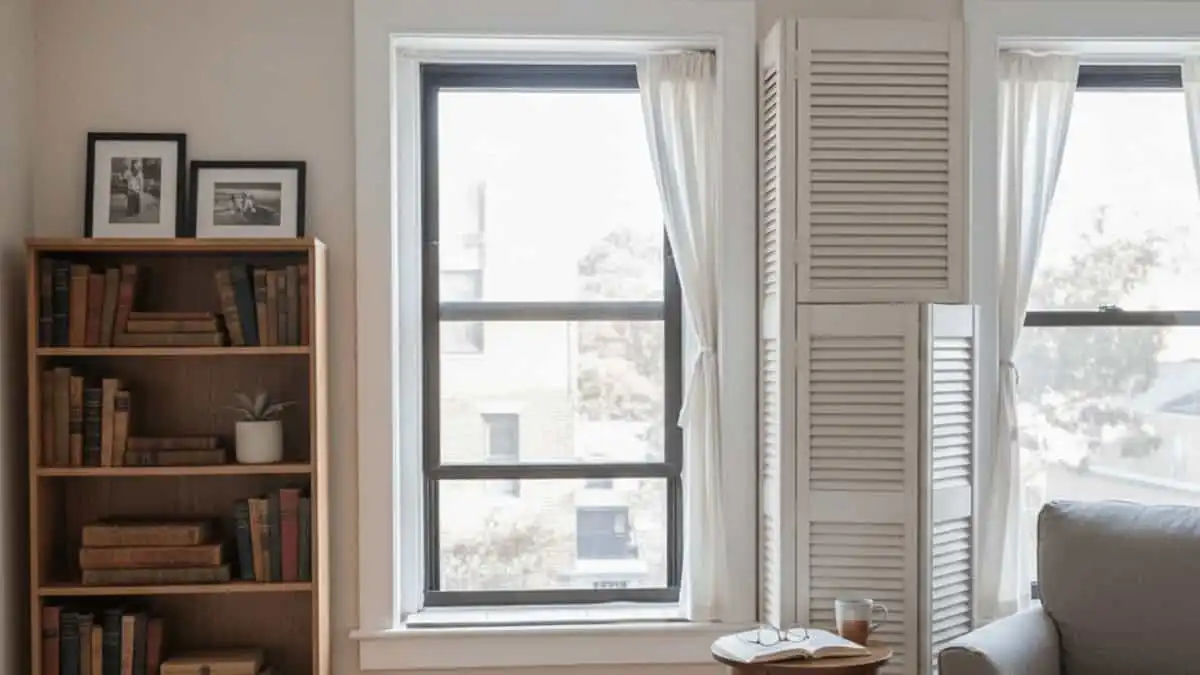
Hung windows, known for their timeless elegance and space-saving functionality, have remained a popular choice for homeowners across generations. Their vertical sliding mechanism, consisting of one or more movable panels (sashes), makes them a staple in traditional and modern architecture alike.
What Are Aluminum Hung Windows?
Hung windows consist of one or more movable panels (sashes) that slide vertically to open.
Hung windows refer to how the sashes are positioned within the frame. In a hung window, one or both sashes move vertically. Single-hung and double-hung windows are both types of sash windows.
In countries such as the United States and Canada, these windows are commonly marketed as single-hung or double-hung windows, whereas in the UK they are more often referred to as sash windows.
Aluminium hung (sash) windows are lightweight, durable, corrosion-resistant, and low-maintenance, making them suitable for both modern and traditional homes.
What Is a Double Hung Window?
A double hung window has two operable sashes. Both the top and bottom sash can move vertically, allowing greater ventilation flexibility and easier cleaning.
What Is a Single Hung Window?
A single hung window typically has one operable sash while the other remains fixed. Its simpler design often makes it a more affordable option than a double hung window.
Single-Hung vs. Double-Hung Windows
| Feature | Single-Hung Windows | Double-Hung Windows |
|---|---|---|
| Movable Sashes | Only the bottom sash moves up/down. | Both sashes (top & bottom) can move. |
| Ventilation | Limited (only bottom opens). | Better airflow (both sashes can open). |
| Cleaning | Harder to clean (fixed top sash). | Easier (both sashes tilt or slide for cleaning). |
| Energy Efficiency | Slightly better (fewer moving parts). | Good (allows top ventilation to release hot air). |
| Cost | Cheaper (simpler mechanism). | More expensive (more functionality). |
| Security | Slightly more secure (fixed top sash). | Still secure but has more moving parts. |
Which One to Choose?
- Single-Hung: Best for cost savings, simpler design, and where top ventilation isn’t needed.
- Double-Hung: Ideal for better airflow, easier cleaning, and flexible ventilation options.
However, while hung windows bring a unique aesthetic and practical benefits, they also come with some drawbacks. Below, we explore the pros, cons, and key considerations to help you determine if sash windows are the right fit for your home.
✅ Pros of Hung Windows

1. Versatile Design Options
Hung windows are available in multiple configurations, allowing homeowners to choose based on their needs and style preferences:
- Single-Hung Windows: The bottom sash moves while the top sash remains fixed—ideal for lower budgets and traditional aesthetics.
- Double-Hung Windows: Both sashes move, providing better ventilation and easier maintenance.
- Triple-Hung Windows: Less common but offers an additional level of flexibility and airflow control.
- Customizable Finishes: Choose from wood, uPVC, aluminum, or composite materials. Available in bespoke colors, decorative grille patterns, and glass options to complement period properties or modern homes.
2. Easy to Clean & Maintain
Modern hung windows are designed for hassle-free cleaning. Many models feature tilt-in sashes, allowing you to clean the exterior glass from inside your home—eliminating the need for ladders.
For wooden hung windows, periodic repainting and resealing can extend their lifespan, while uPVC and aluminum alternatives require minimal upkeep beyond regular wiping and track lubrication.
3. Energy Efficiency & Insulation
- Double-Glazing & Triple-Glazing: Reduces heat loss and improves thermal efficiency.
- Low-E (Low-Emissivity) Glass: Reflects heat back into the room, reducing energy costs.
- Argon or Krypton Gas Fills: Provides additional insulation, lowering heating and cooling expenses.
- Weatherstripping & Drought-Proofing: Prevents heat loss and enhances comfort, making sash windows suitable for all seasons.
- ENERGY STAR-rated Models: Can reduce heating and cooling costs by 10–15% annually.
4. Space-Saving Design
Unlike casement or awning windows, hung windows slide vertically, making them perfect for:
- Homes with limited exterior space (e.g., near walkways, patios, balconies).
- Apartment buildings and town houses where outward-opening windows are impractical.
- Historic and conservation properties, where sash windows blend seamlessly with traditional architecture.
5. Effective Noise Reduction
High-quality double-glazed sash windows with laminated glass can reduce external noise by 25–40%, making them ideal for homes near busy streets, airports, or urban areas.
❌ Cons of Hung Windows
1. Limited Ventilation
Since hung windows only open to 50% of their total area, they provide less airflow compared to casement windows, which open fully.
🔹 Solution: To improve ventilation, consider installing transom windows above sash windows or using ceiling fans to circulate air efficiently.
2. Maintenance Requirements
Traditional wooden hung windows require regular upkeep:
- Wood Frames: Need repainting and sealing every 3–5 years to prevent rot and decay.
- Pulley & Weight Systems: Older models may require periodic adjustments or part replacements to ensure smooth operation.
- Modern Spring-Balanced Systems: Reduce maintenance needs but can be costly to repair when damaged.
3. Safety Concerns
- Child Safety: Open lower sashes pose a fall risk for children and pets.
- Security Risks: Older sash windows with worn-out locks are vulnerable to forced entry.
🔹 Solution: Install window restrictions, child safety locks, and smart window sensors for enhanced security.
4. Not Always Suitable for Ultra-Modern Homes
While sash windows blend well with period and traditional homes, they may not suit ultra-modern properties with minimalist designs.
🔹 Solution: Opt for slim-framed hung windows or hidden balance mechanisms for a more contemporary aesthetic.
5. Higher Cost Compared to Sliding Windows
Hung windows tend to be more expensive than standard sliding or casement windows due to their intricate mechanisms and aesthetic appeal:
| Window Type | Average Cost per Window (US$) | Average Cost per Window (£ UK) |
|---|---|---|
| Single-Hung | $200–$600 | £150–£500 |
| Double-Hung | $300–$800 | £250–£650 |
| Casement | $250–$900 | £200–£700 |
🛠️ Practical Add-ons & Upgrades
To enhance the performance and longevity of sash windows, consider these additional features:
- Storm Windows: Adds insulation and protects against harsh weather conditions.
- Security Screens: Prevents break-ins while allowing ventilation.
- Smart Sensors: Connects to your home security system to monitor window status.
- UV-Blocking Films: Protects furniture and flooring from sun damage.
🔍 Key Considerations Before Installation
1. Climate Suitability
Hung windows are ideal for moderate climates, but if you live in an area prone to hurricanes or extreme temperatures, consider impact-resistant glass and reinforced frames.
2. Compliance with Historic Home Regulations
If you own a heritage property, local regulations may require historically accurate hung window designs. Always check preservation codes before installation.
3. DIY vs. Professional Installation
Hung windows, particularly double-hung models, can be heavy and complex to install.
- DIY Installation: Suitable for pre-balanced uPVC models.
- Professional Installation: Recommended for custom aluminum hung windows to ensure proper alignment and operation.
🏆 Is a Hung Window Right for You?
Hung windows offer timeless beauty, energy efficiency, and space-saving benefits, making them ideal for historic homes, traditional properties, and homeowners who prioritize aesthetics and easy maintenance.
However, they may not be the best choice for those needing maximum ventilation, ultra-modern designs, or budget-friendly window replacements.
For the best results, consult a window specialist to match your climate, budget, and design preferences.
Related Articles

Featured


You May Also Like

From ‘My Coke Can Went to Space’ to 5-Cent Deposits — The Tr…

Aluminium in Pharmaceuticals: Safeguarding Lives & Drivi…

Does Window Glass Really Block UV Rays? The Truth About UVA …

Aluminium Sheet Metal and Where it use
Best Storm Doors With Screens for Smooth Summer Ventilation