
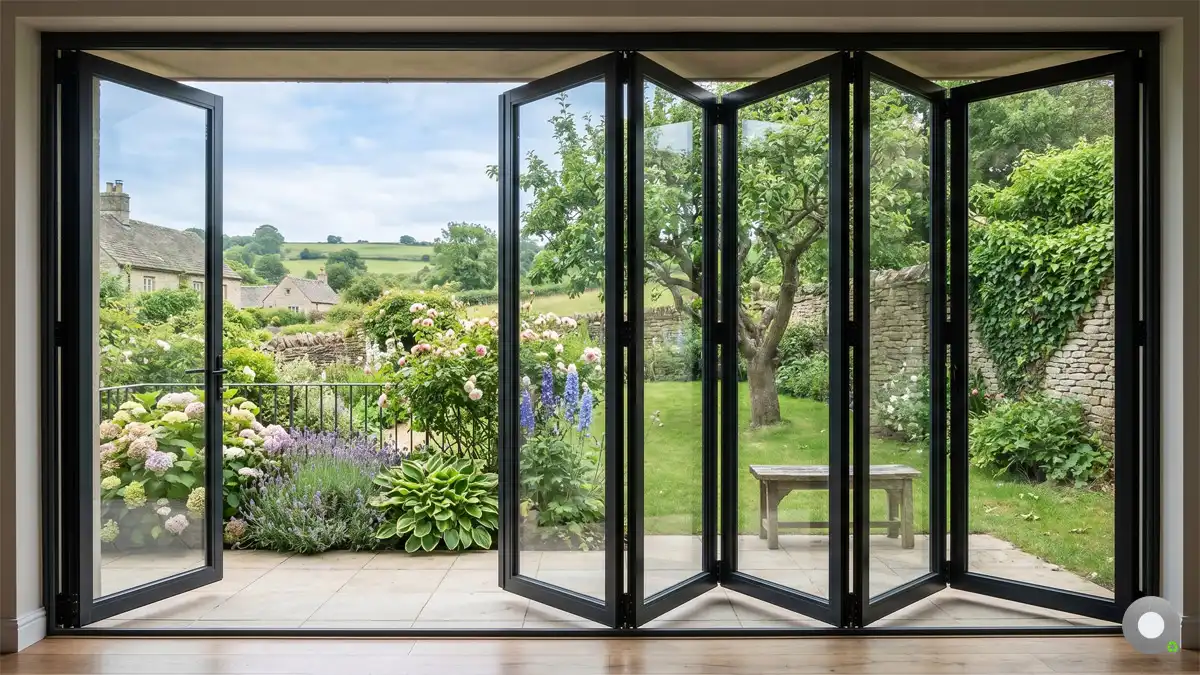
Aluminium bifold doors, also known as folding doors and sometimes accordion doors in North America, consist of multiple hinged panels that fold and slide to one or both sides of an opening. Most systems use slim aluminium frames and large glass panels to create wider views, increased natural light, and a stronger connection between indoor and outdoor spaces.
These doors are commonly used for patios, gardens, balconies, terraces, entertainment areas, restaurants, and modern home extensions. Unlike traditional sliding doors, aluminium bifold door systems can open up most or nearly all of the available opening width, creating a more seamless transition between spaces.
The design ideas below showcase different aluminium folding door configurations, panel arrangements, and opening styles. Understanding these layouts can help homeowners, architects, and fabricators select the most suitable design for their project.
Understand the Design Code
Example: Design Code 4-1-3
- 4 = Total number of door panels.
- 1 = One panel on one side.
- 3 = Three panels connected together and folding as a group.
This coding system makes it easier to understand how the panels stack and operate when the bifold door is opened.
Below are some aluminium bifold door design ideas and panel configurations.
Aluminium Bifold Door Design-220
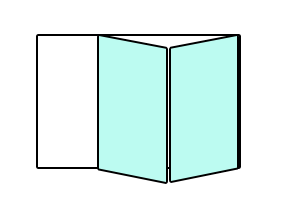
Design: 2-2-0
Configuration
This aluminium bifold door design consists of two total panels, with both panels connected as a single folding group that folds and stacks to one side of the opening.
Features
- One of the simplest aluminium folding door configurations.
- Both panels fold in the same direction for easy operation.
- Creates a wider opening than a traditional hinged door.
- Compact panel stack requires minimal side space.
- Suitable for both internal and external applications.
- Popular in modern homes, apartments, and commercial spaces.
Best Suited For
- Balcony access doors.
- Small patio door openings.
- Internal room divider doors.
- Home office partitions.
- Laundry and utility room entrances.
- Café and restaurant openings with limited width.
Opening Style
When opened, both door panels fold together and stack neatly against one side of the frame. This creates a clear passageway while keeping the folded panel stack compact, making it suitable for balconies, patios, room partitions, and other smaller openings where space efficiency is important.
Aluminium Bifold Door Design-330
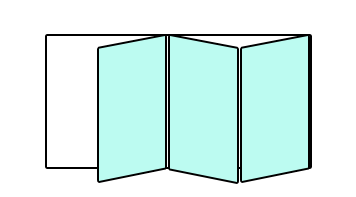
Design: 3-3-0
Configuration
This aluminium bifold door design consists of three total panels, with all three panels connected as a single folding group that folds and stacks to one side of the opening.
Features
- All panels fold in the same direction.
- Creates a large, unobstructed opening when fully opened.
- Maximizes the usable opening width compared to many traditional door systems.
- Provides a seamless connection between indoor and outdoor spaces.
- Requires stacking space on one side for the folded panel bundle.
- Popular in modern residential and commercial projects.
Best Suited For
- Patio doors.
- Balcony doors.
- Garden-facing openings.
- Terrace access doors.
- Outdoor entertainment areas.
- Cafés, restaurants, and hospitality spaces.
Opening Style
When opened, all three panels fold together and stack neatly against one side of the frame, leaving most of the opening clear. This makes the 3-3-0 configuration a popular choice for aluminium folding patio doors, balcony doors, and other applications where maximum access, natural light, and indoor-outdoor connectivity are desired.
Aluminium Bifold Door Design-312
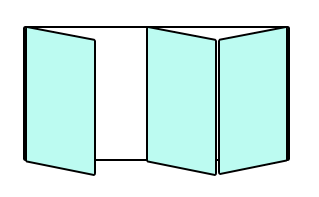
Design: 3-1-2
Configuration
This aluminium bifold door design consists of three total panels, with one panel on one side and two panels connected together as a folding group on the other side.
Features
- Creates an asymmetrical bifold door layout.
- Two panels fold and stack together while one panel remains on the opposite side.
- Offers flexible opening options for everyday use.
- Can provide convenient access without opening the entire door system.
- Requires less stacking space than larger multi-panel configurations.
- Suitable for both residential and commercial applications.
Best Suited For
- Patio doors.
- Balcony access doors.
- Garden-facing openings.
- Internal room dividers.
- Restaurant and café entrances.
- Home extensions and sunrooms.
Opening Style
When opened, the two connected panels fold and stack neatly on one side, while the single panel remains on the opposite side of the opening. This configuration provides a practical balance between accessibility, ventilation, and space efficiency, making it a popular choice for aluminium folding patio doors and interior partition systems.
Aluminium Bifold Door Design-312
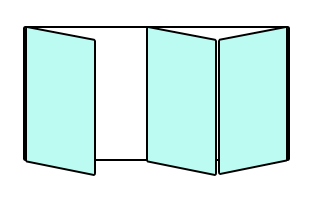
Design: 3-1-2
Configuration
This aluminium bifold door design consists of three total panels, with one panel on one side and two panels connected together as a folding group on the other side.
Features
- Creates an asymmetrical bifold door layout.
- Two panels fold and stack together while one panel remains on the opposite side.
- Offers flexible opening options for everyday use.
- Can provide convenient access without opening the entire door system.
- Requires less stacking space than larger multi-panel configurations.
- Suitable for both residential and commercial applications.
Best Suited For
- Patio doors.
- Balcony access doors.
- Garden-facing openings.
- Internal room dividers.
- Restaurant and café entrances.
- Home extensions and sunrooms.
Opening Style
When opened, the two connected panels fold and stack neatly on one side, while the single panel remains on the opposite side of the opening. This configuration provides a practical balance between accessibility, ventilation, and space efficiency, making it a popular choice for aluminium folding patio doors and interior partition systems.
Aluminium Bifold Door Design-422
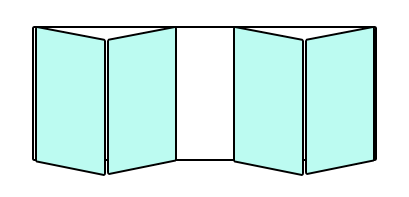
Design: 4-2-2
Configuration
This aluminium bifold door design consists of four total panels, divided into two folding groups of two panels each. The panels fold and stack equally on both sides of the opening.
Features
- Symmetrical bifold door configuration.
- Panels stack evenly on both sides for a balanced appearance.
- Creates a large central opening when fully opened.
- Reduces the panel stack size on each side compared to single-direction folding systems.
- Provides excellent ventilation, access, and natural light.
- Suitable for wider openings in residential and commercial buildings.
Best Suited For
- Patio doors.
- Balcony doors.
- Garden and backyard openings.
- Terrace access doors.
- Restaurant and café storefronts.
- Internal room partitions and flexible living spaces.
Opening Style
When opened, two panels fold and stack on the left side while the other two panels fold and stack on the right side. This creates a wide opening in the center and provides a balanced look from both inside and outside, making the 4-2-2 configuration one of the most popular aluminium folding door layouts for patios, balconies, and large room openings.
Aluminium Bifold Door Design-413
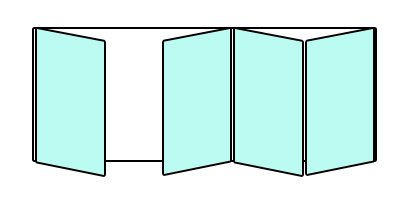
Design: 4-1-3
Configuration
This aluminium bifold door design consists of four total panels, with one panel on one side and three panels connected together as a folding group on the opposite side.
Features
- Asymmetrical folding door configuration.
- Most panels stack to one side, creating a wider clear opening.
- Requires less stacking space on one side of the frame.
- Provides flexible access for daily use and full opening when needed.
- Suitable for both interior and exterior applications.
- Combines practicality with a modern architectural appearance.
Best Suited For
- Patio doors.
- Balcony doors.
- Garden-facing openings.
- Terrace access systems.
- Internal room dividers.
- Home extensions, cafés, and commercial spaces.
Opening Style
When opened, the three connected panels fold and stack neatly on one side of the frame, while the single panel remains on the opposite side. This arrangement creates a large opening with most of the panel stack concentrated in one location, making the 4-1-3 configuration a practical choice for aluminium bifold patio doors, balcony doors, and interior partition systems where one side offers more stacking space than the other.
Aluminium Bifold Door Design-440
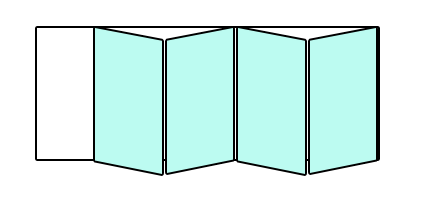
Design: 4-4-0
Configuration
This aluminium bifold door design consists of four total panels, with all four panels connected as a single folding group that folds and stacks to one side of the opening.
Features
- All panels fold in a single direction.
- Creates a very large, unobstructed opening when fully opened.
- Maximizes the clear passage width available.
- Ideal for creating a strong indoor-outdoor connection.
- Simple operating pattern with one panel stack location.
- Popular in contemporary homes and commercial spaces.
Best Suited For
- Folding patio doors.
- Balcony doors.
- Garden and backyard openings.
- Terrace access systems.
- Poolside entertainment areas.
- Restaurants, cafés, and hospitality venues.
Opening Style
When opened, all four panels fold together and stack neatly against one side of the frame. This leaves most of the doorway clear, making the 4-4-0 configuration a popular choice for aluminium folding glass doors, bifold patio doors, and large openings where maximum access, views, and airflow are desired.
Aluminium Bifold Door Design-550
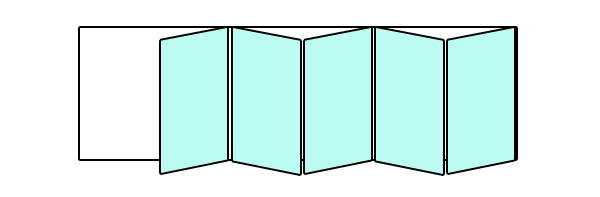
Design: 5-5-0
Configuration
This aluminium bifold door design consists of five total panels, with all five panels connected as a single folding group that folds and stacks to one side of the opening.
Features
- One of the widest single-direction bifold door configurations.
- All panels fold and stack neatly on one side.
- Creates a large, nearly unobstructed opening when fully opened.
- Maximizes access between indoor and outdoor spaces.
- Allows excellent airflow, natural light, and panoramic views.
- Commonly used in premium residential and commercial projects.
Best Suited For
- Large patio doors.
- Balcony and terrace openings.
- Garden-facing living rooms.
- Poolside entertainment areas.
- Restaurants and café frontages.
- Luxury home extensions and open-plan spaces.
Opening Style
When opened, all five panels fold together and stack against one side of the frame, leaving most of the doorway completely open. The 5-5-0 configuration is often chosen for aluminium bifold patio doors, folding glass doors, and large exterior openings where homeowners or businesses want the strongest possible connection between indoor and outdoor areas.
Aluminium Bifold Door Design-514
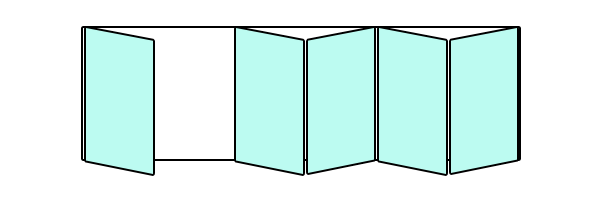
Design: 5-1-4
Configuration
This aluminium bifold door design consists of five total panels, with one panel on one side and four panels connected together as a folding group on the opposite side.
Features
- Asymmetrical bifold door configuration.
- Four panels fold and stack on one side, creating a wide opening.
- Provides a larger clear passage compared to evenly split configurations.
- Offers flexible access options for daily use and full opening scenarios.
- Suitable for both residential and commercial projects.
- Combines modern aesthetics with practical functionality.
Best Suited For
- Patio doors.
- Balcony and terrace doors.
- Garden-facing openings.
- Home extensions and sunrooms.
- Folding glass door systems.
- Restaurants, cafés, and hospitality spaces.
Opening Style
When opened, the four connected panels fold and stack neatly on one side of the frame, while the single panel remains on the opposite side. This arrangement creates a generous opening while concentrating most of the folded panels in one location, making the 5-1-4 configuration a popular choice for aluminium bifold patio doors, folding glass doors, and large openings where maximum access and outdoor connectivity are desired.
Aluminium Bifold Door Design-523
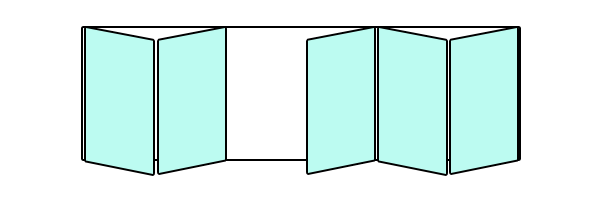
Design: 5-2-3
Configuration
This aluminium bifold door design consists of five total panels, with two panels folding together on one side and three panels folding together on the opposite side. The door system is divided into two separate folding groups that stack at opposite ends of the opening.
Features
- Balanced bifold door configuration for wider openings.
- Panels stack on both sides instead of a single side.
- Creates a large central opening when fully opened.
- Reduces the folded panel stack size on each side.
- Provides excellent ventilation, access, and natural light.
- Suitable for both residential and commercial applications.
Best Suited For
- Large patio doors.
- Balcony and terrace openings.
- Garden-facing living spaces.
- Folding glass door systems.
- Restaurants, cafés, and event venues.
- Internal partitions for large flexible spaces.
Opening Style
When opened, the two-panel group folds and stacks on one side while the three-panel group folds and stacks on the other side. This creates a wide opening in the center and distributes the panel weight more evenly across the system. The 5-2-3 configuration is commonly used for aluminium bifold patio doors, folding glass doors, and large openings where a balanced appearance and maximum accessibility are important.
Aluminium Bifold Door Design-660
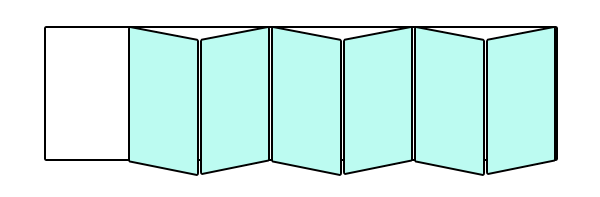
Design: 6-6-0
Configuration
This aluminium bifold door design consists of six total panels, with all six panels connected as a single folding group that folds and stacks to one side of the opening.
Features
- Large single-direction folding door configuration.
- All six panels fold and stack neatly on one side.
- Creates an exceptionally wide opening when fully opened.
- Maximizes indoor-outdoor connectivity and usable opening space.
- Provides excellent airflow, natural light, and unobstructed views.
- Popular for large residential and commercial openings.
Best Suited For
- Extra-wide patio doors.
- Large balcony and terrace openings.
- Garden-facing living areas.
- Poolside entertainment spaces.
- Restaurants, cafés, and hospitality venues.
- Luxury homes and modern architectural projects.
Opening Style
When opened, all six panels fold together and stack against one side of the frame, leaving almost the entire opening clear. The 6-6-0 configuration is commonly selected for aluminium bifold patio doors, folding glass doors, and expansive openings where maximum access, panoramic views, and a seamless transition between indoor and outdoor spaces are desired.
Aluminium Bifold Door Design-624
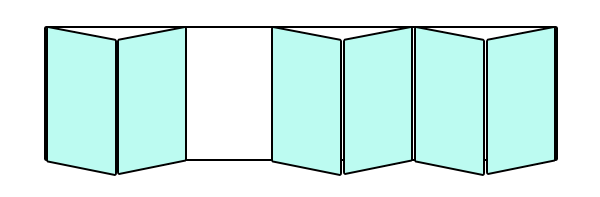
Design: 6-2-4
Configuration
This aluminium bifold door design consists of six total panels, with two panels folding together on one side and four panels folding together on the opposite side. The door system is divided into two folding groups that stack at opposite ends of the opening.
Features
- Asymmetrical bifold door configuration for wide openings.
- Creates a large central opening when fully opened.
- Four-panel stack on one side and a smaller two-panel stack on the other.
- Offers a balance between maximum opening width and practical panel stacking.
- Provides excellent ventilation, natural light, and outdoor access.
- Suitable for modern residential and commercial projects.
Best Suited For
- Large patio doors.
- Balcony and terrace openings.
- Garden-facing living rooms.
- Folding glass wall systems.
- Restaurants, cafés, and hospitality venues.
- Home extensions and open-plan living spaces.
Opening Style
When opened, the two-panel group folds and stacks on one side while the four-panel group folds and stacks on the opposite side. This arrangement creates a wide opening through the center of the doorway while distributing the folded panels across both ends. The 6-2-4 configuration is a practical choice for aluminium bifold patio doors, folding glass doors, and large openings where a combination of accessibility, views, and efficient panel stacking is required.
Aluminium Bifold Door Design-633
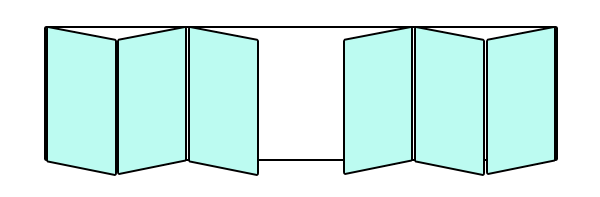
Design: 6-3-3
Configuration
This aluminium bifold door design consists of six total panels, divided into two equal folding groups of three panels each. The panels fold and stack evenly on both sides of the opening.
Features
- Symmetrical bifold door configuration.
- Three panels fold to the left and three panels fold to the right.
- Creates a large central opening when fully opened.
- Balanced appearance from both inside and outside the building.
- Even panel distribution helps reduce stack size on each side.
- Ideal for wide openings requiring both functionality and aesthetics.
Best Suited For
- Large patio doors.
- Balcony and terrace openings.
- Garden-facing living spaces.
- Folding glass wall systems.
- Restaurants, cafés, and hospitality projects.
- Luxury homes and open-plan entertainment areas.
Opening Style
When opened, the three-panel group folds and stacks on one side while the other three-panel group folds and stacks on the opposite side. This creates a wide, unobstructed opening through the center while maintaining a balanced look on both sides. The 6-3-3 configuration is a popular choice for aluminium bifold patio doors, folding glass doors, and expansive openings where symmetry, access, and indoor-outdoor connectivity are equally important.
Aluminium Bifold Door Design-734
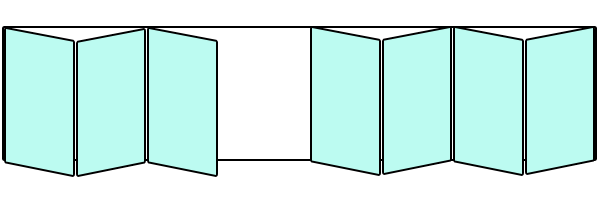
Design: 7-3-4
Configuration
This aluminium bifold door design consists of seven total panels, with three panels folding together on one side and four panels folding together on the opposite side. The system is divided into two folding groups that stack at opposite ends of the opening.
Features
- Large bifold door configuration for extra-wide openings.
- Creates a generous central opening when fully opened.
- Balanced panel distribution with manageable stack sizes on both sides.
- Provides excellent natural light, ventilation, and accessibility.
- Offers a cleaner appearance than stacking all panels on a single side.
- Suitable for premium residential and commercial applications.
Best Suited For
- Extra-wide patio doors.
- Large balcony and terrace openings.
- Garden-facing living rooms.
- Folding glass wall systems.
- Restaurants, cafés, and event spaces.
- Luxury homes, villas, and modern architectural projects.
Opening Style
When opened, the three-panel group folds and stacks on one side while the four-panel group folds and stacks on the other side. This arrangement creates a wide opening through the center while distributing the folded panels across both ends of the frame. The 7-3-4 configuration is commonly used for aluminium bifold patio doors, folding glass doors, and large architectural openings where maximum openness, natural light, and indoor-outdoor living are key design goals.
Choosing the Right Bifold Door Panel Configuration
When selecting an aluminium bifold door or folding door design, consider:
- Available opening width.
- Preferred stacking direction.
- Whether the panels should fold to one side or both sides.
- Indoor and outdoor traffic flow.
- Furniture placement near the doorway.
- The desired balance between access, ventilation, and views.
- Whether you prefer a symmetrical or asymmetrical appearance.
- Track and hardware capacity for larger panel configurations.
Generally, 2-2-0 and 3-1-2 configurations work well for smaller openings, balconies, internal partitions, and compact patio doors. For larger openings, 4-2-2, 5-2-3, 6-3-3, and 7-3-4 configurations are often preferred because they provide wider access, improved airflow, and a stronger connection between indoor and outdoor spaces.
FAQs
What do bifold door design codes such as 4-2-2 or 5-2-3 mean?
A bifold door design code shows the total number of door panels and how they are grouped when folding. For example, a 5-2-3 design consists of five total panels, with two panels folding together on one side and three panels folding together on the other side.
Which bifold door configuration provides the widest opening?
Configurations such as 4-4-0, 5-5-0, and 6-6-0 allow all panels to fold and stack on a single side, creating some of the largest unobstructed openings possible.
Is a symmetrical bifold door design better?
Symmetrical designs such as 4-2-2, 5-2-3, and 6-3-3 provide balanced panel stacking on both sides and are often preferred for aesthetics and even weight distribution. However, the best configuration depends on the available space and project requirements.
What is the difference between a 4-1-3 and 4-2-2 bifold door?
A 4-1-3 configuration stacks most panels on one side, creating a larger clear opening. A 4-2-2 configuration divides the panels equally between both sides, resulting in a more symmetrical appearance.
How many panels can an aluminium bifold door have?
Aluminium bifold doors are commonly available in configurations ranging from two panels to seven or more panels, depending on the opening size, structural requirements, and hardware system.
Are aluminium bifold doors suitable for patios and balconies?
Yes. Aluminium bifold patio doors and balcony doors are popular because they can open much wider than traditional hinged doors or sliding doors, creating a stronger connection between indoor and outdoor areas.
Which bifold door configuration is best for large openings?
For wide openings, configurations such as 5-2-3, 6-2-4, 6-3-3, and 7-3-4 are popular because they provide large openings while maintaining smooth operation and balanced panel distribution.
Can bifold door panels fold in both directions?
Yes. Some configurations divide the panels into separate folding groups that stack on opposite sides of the opening. Designs such as 4-2-2, 5-2-3, and 6-3-3 are common examples.
Are folding glass doors and bifold doors the same thing?
In most cases, yes. Folding glass doors, bifold doors, and aluminium folding doors are commonly used to describe door systems that use multiple hinged panels that fold and stack when opened.
Are aluminium bifold doors suitable for coastal areas?
Yes. Aluminium bifold doors can perform well in coastal environments when manufactured with appropriate marine-grade finishes, corrosion-resistant hardware, and proper installation practices.
Related Articles


Featured


You May Also Like
Stick Curtain Wall vs Unitized Curtain Wall – Which Is Bette…

Aluminum vs Wood vs Vinyl – What’s the Best Material for Doo…

Curtain Wall System Components: Mullions, Transoms, Anchors,…

Types of Home Doors

Trump Greenland Deal Puts Aluminum-Rich Minerals in Focus Am…
