
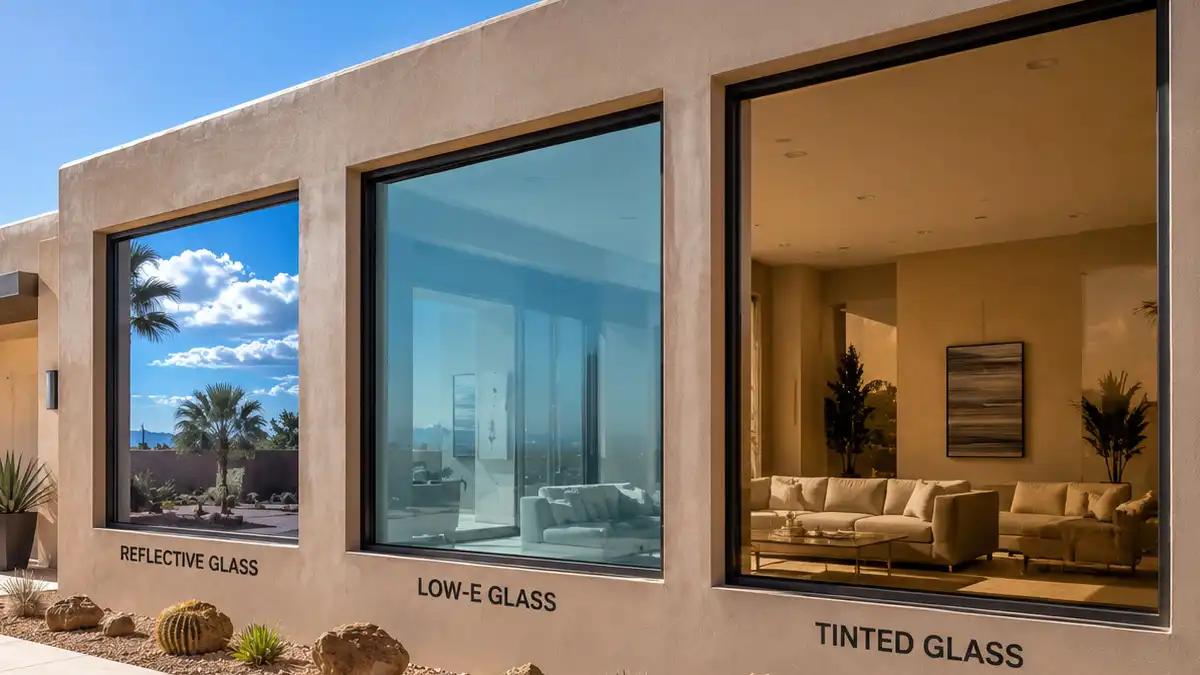
Living in a hot climate means constantly battling the sun. It’s a blessing for light, but a major challenge for keeping your home cool. Your window glass is truly your first line of defense, acting as a shield to keep intense heat out and your indoor spaces comfortable. When you pair the right glass with strong, modern aluminum frames, you can significantly reduce heat gain and watch those brutal cooling bills finally drop.
But not all glass is created equal. Some glass lets heat pour in like an open oven door, while others reflect it away like a mirror. Understanding how and when glass transmits or blocks heat is the key to making the right choice for your home.
How Heat Passes Through Glass (And How to Stop It)
Heat enters your home through windows in three ways:
- Solar Radiation (Direct Sunlight) – The sun’s rays shine directly through the glass, warming everything inside. This is the primary source of heat gain in hot climates.
- Conduction – Heat travels through the glass material itself from the hot outside to the cooler inside.
- Convection – Heat moves via air currents between glass panes.
The best glass options for hot climates tackle one or more of these pathways. The most important metric to understand is the Solar Heat Gain Coefficient (SHGC) – a number that measures how much solar heat passes through the glass.
- High SHGC = more heat passes through (bad for hot climates)
- Low SHGC = less heat passes through (good for hot climates)
Pro Tip: In a cooling-dominated climate, aim for glass with a low SHGC, ideally 0.30 or less for the best heat blockage.
Now let’s explore your options.
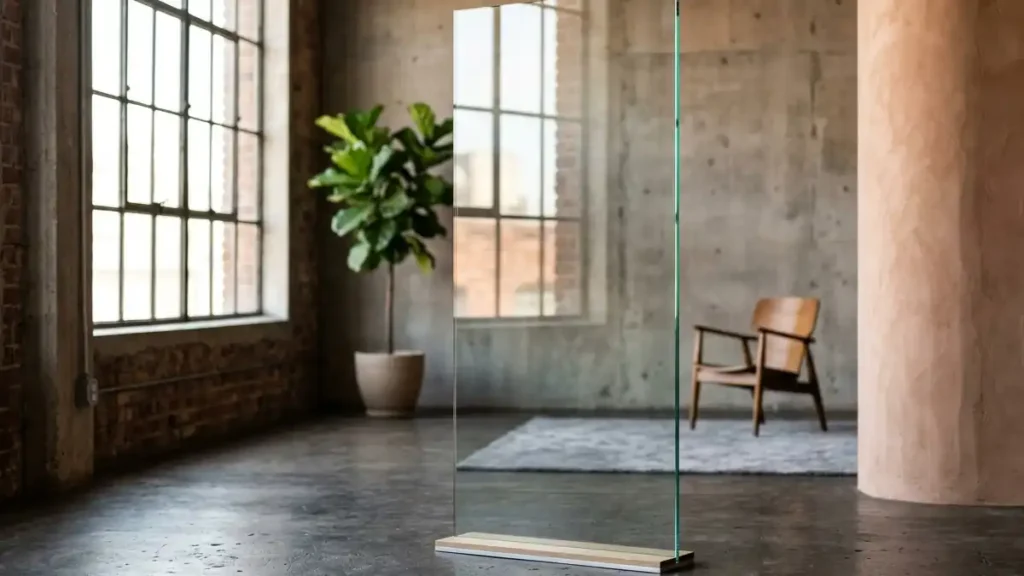
1. Clear Float Glass (Annealed Glass)
What It Is
The most basic and affordable glass option – standard glass with no special coatings or treatments.
How It Handles Heat
Heat passes through freely. Clear float glass has a high SHGC (around 0.80–0.85), meaning it allows roughly 80% of solar heat to enter your home.
ADVANTAGES
- ✓ Most affordable option
- ✓ Provides good visibility with no distortion
- ✓ Easy to adapt to many window designs
LIMITATIONS
- ✕ Offers minimal insulation or heat protection
- ✕ Allows intense solar radiation to pour into your home, forcing your AC to work overtime
- ✕ Brittle and can shatter into dangerous shards
Best For & Verdict
Ideal for non-habitable spaces like garages, sheds, or greenhouses, and budget-conscious projects where climate control is not a priority. Not recommended for hot climates unless combined with external shading or window films.
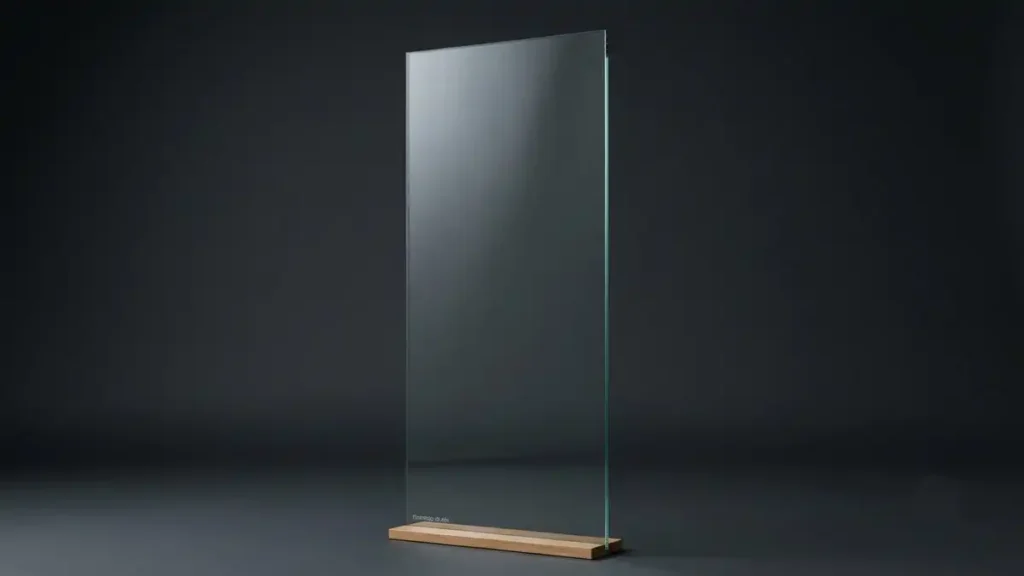
2. Tempered Glass (Toughened Glass)
What It Is
Float glass that’s heat-treated to be 4-5 times stronger than regular glass. When broken, it shatters into tiny, relatively harmless pieces rather than dangerous shards.
How It Handles Heat
Heat passes through similarly to clear glass. Tempering improves strength and safety but does not improve thermal performance. The SHGC remains high.
STRENGTHS
- ✓ Superior safety – breaks into small, rounded pieces
- ✓ 4-5 times stronger than annealed glass
- ✓ Resistant to thermal stress from temperature changes
- ✓ Provides increased durability without a major price jump
WEAKNESSES
- ✕ No significant heat rejection properties
- ✕ Cannot be cut or modified after tempering
- ✕ Higher cost than standard float glass
Best For & Verdict
Best for safety-critical areas (doors, low windows, bathrooms), homes with children or elderly residents, and coastal areas where impact resistance is valued. Remember, this is a safety upgrade, not a heat solution. Pair with Low-E coatings or other heat-rejecting technologies for hot climates.
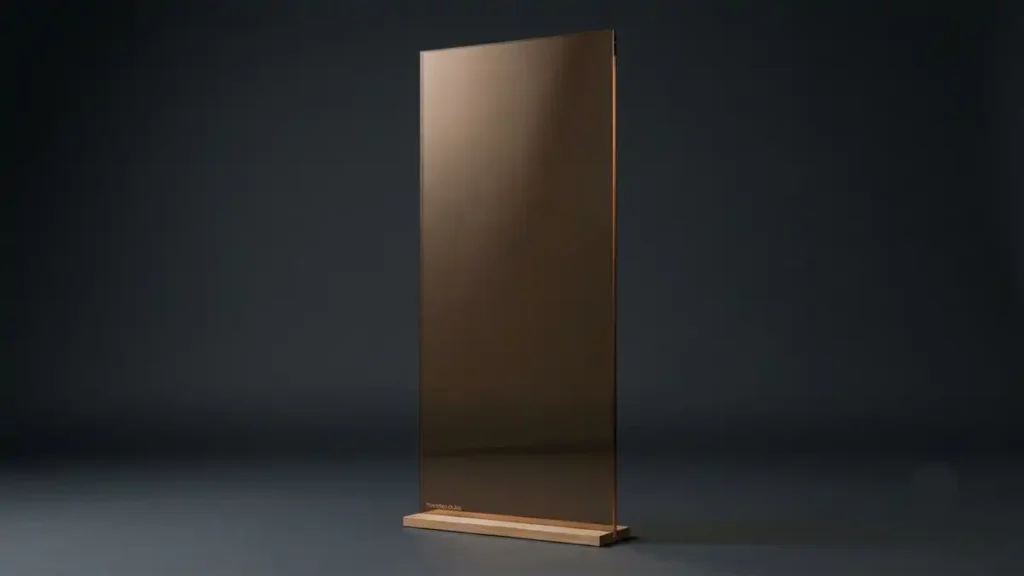
3. Tinted Glass
What It Is
Glass with colorants added during manufacturing to absorb solar radiation. Available in shades like bronze, grey, green, and blue.
How It Handles Heat
Heat is absorbed, not reflected. Tinted glass works by absorbing solar energy before it enters your home. Depending on the type and thickness, it can absorb up to 45% of solar heat. However, the glass itself becomes hot and can re-radiate heat inward.
BENEFITS
- ✓ A significant portion of solar radiation is absorbed before entering
- ✓ Reduces glare from intense sunlight
- ✓ Cuts heat gain effectively
- ✓ Provides privacy during daytime
- ✓ Available in multiple shades for design flexibility
DRAWBACKS
- ✕ Visible light is significantly reduced, darkens interiors
- ✕ Glass itself gets hot, which can increase indoor radiant heat
- ✕ Less effective than Low-E or reflective glass for heat rejection
- ✕ Can make rooms feel gloomy
Best For & Verdict
Best for west-facing windows that get blasted by afternoon sun, rooms where glare reduction is a priority (home theaters, offices), and buildings where daytime privacy is important. This is a solid mid-range option that balances heat reduction with cost, but be prepared for darker interiors.
4. Reflective Glass
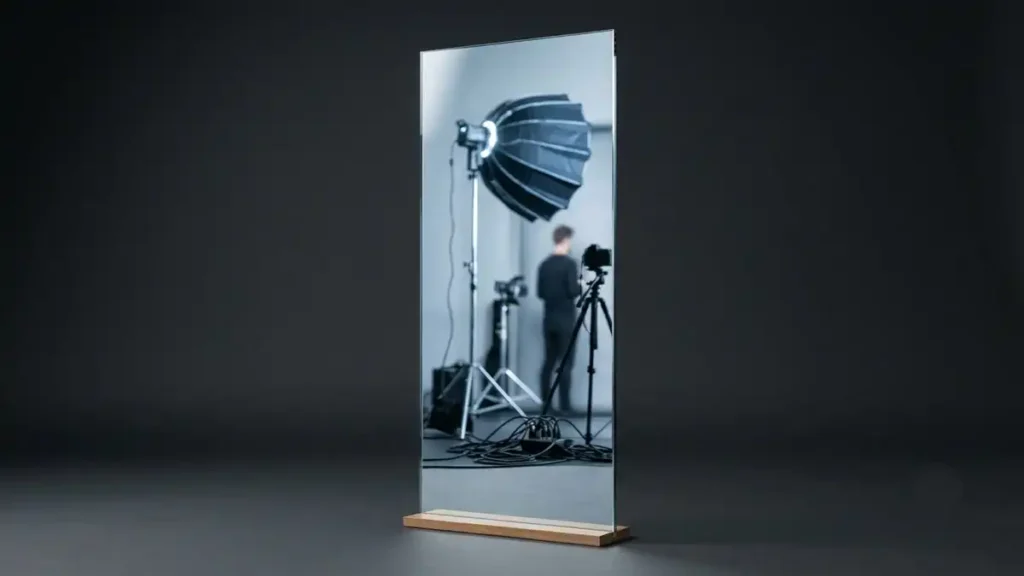
What It Is
Glass coated with a thin metallic layer (silver, aluminum, or metallic oxides) that creates a mirror-like finish. Also known as mirrored glass.
How It Handles Heat
Heat is reflected outward. Reflective glass bounces solar radiation away from the building rather than absorbing it. This makes it more effective than tinted glass for heat rejection.
ADVANTAGES
- ✓ Excellent at reducing heat gain – crucial in hot climates
- ✓ Provides daytime privacy (one-way mirror effect)
- ✓ Modern, sleek aesthetic
- ✓ Can reduce cooling costs substantially
DISADVANTAGES
- ✕ Can reduce beneficial solar heat gain in cooler months, potentially leading to higher heating costs
- ✕ Reflective coating can be scratched or damaged if improperly cleaned
- ✕ Can create harsh glare for neighbors
- ✕ May make residential buildings look cold or impersonal
Best For & Verdict
Best for high-rise buildings where heat gain is a major issue, very hot and sunny climates, and homes where privacy is a priority. It is highly effective for heat rejection, but consider the aesthetic and potential glare issues for neighbors.
5. Low-E (Low Emissivity) Glass
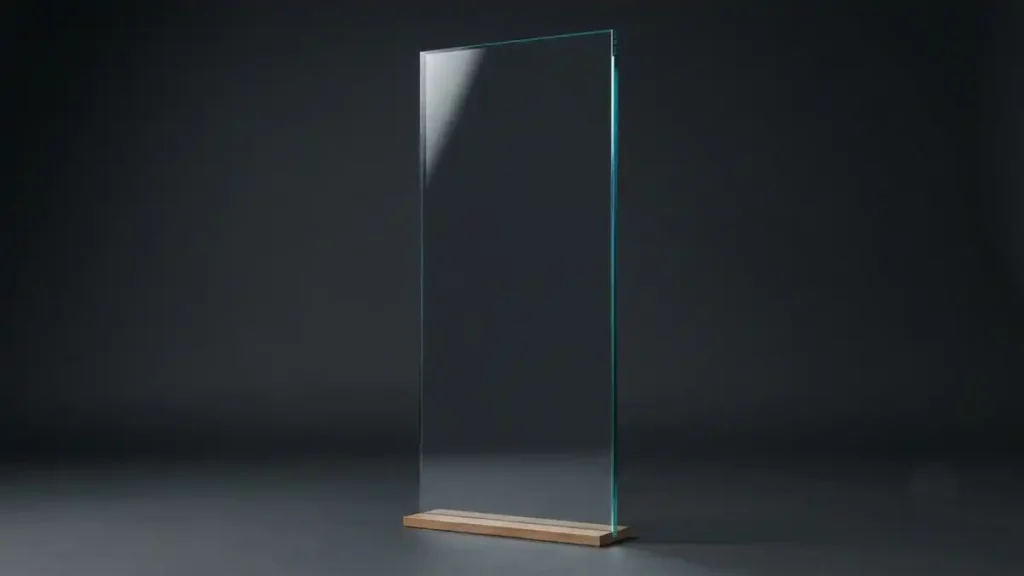
What It Is
Glass with a microscopic, invisible metallic coating that reflects heat while allowing visible light to pass through. This is the gold standard for energy-efficient windows.
How It Handles Heat
Heat is reflected, not absorbed. Low-E coatings block up to 70% of infrared heat rays from the sun while still allowing visible light to enter. The coating reflects heat back to its source – outward in summer, inward in winter.
UPSIDES
- ✓ Blocks up to 70% of infrared heat energy
- ✓ Reduces monthly cooling costs by 20-30% or more
- ✓ Protects furniture and interiors from fading by filtering UV
- ✓ Maintains good natural light (unlike tinted glass)
- ✓ Available in neutral tones that don’t distort outdoor views
DOWNSIDES
- ✕ Higher upfront cost than standard glass profiles
- ✕ Can slightly reduce visible light by 8-15%
- ✕ Metallic layers can sometimes interfere with Wi-Fi and cell signals
- ✕ Coatings can be scratched if cleaned improperly
- ✕ The wrong coating variant for your climate can block beneficial winter heat
Best For & Verdict
Best for all hot climate applications – this should be your default configuration. Excellent for homes where maintaining natural light is important and for energy-conscious homeowners. The best all-around choice for hot climates.
6. Spectrally Selective Glass
What It Is
An advanced type of Low-E glass designed to selectively block heat (infrared and UV) while allowing maximum visible light to pass through.
How It Handles Heat
Heat is blocked; light passes. This is the most sophisticated glass technology available. It achieves “light/heat decoupling” – letting in the light you want while keeping out the heat you don’t.
ADVANTAGES
- ✓ Highest visible light transmission paired with excellent heat rejection
- ✓ Reduces solar heat gain without darkening internal spaces
- ✓ Ideal for properties where natural light is a strict priority
- ✓ Can reduce cooling energy consumption significantly
LIMITATIONS
- ✕ Premium upfront price point
- ✕ Not available from all regional manufacturers
- ✕ May require complex professional specification
Best For & Verdict
Perfect for homes with large glass surfaces, modern architectural designs, and homeowners who want maximum natural light without any of the heat gain. The absolute premium choice for those who refuse to compromise on either light or thermal comfort.
7. Laminated Glass
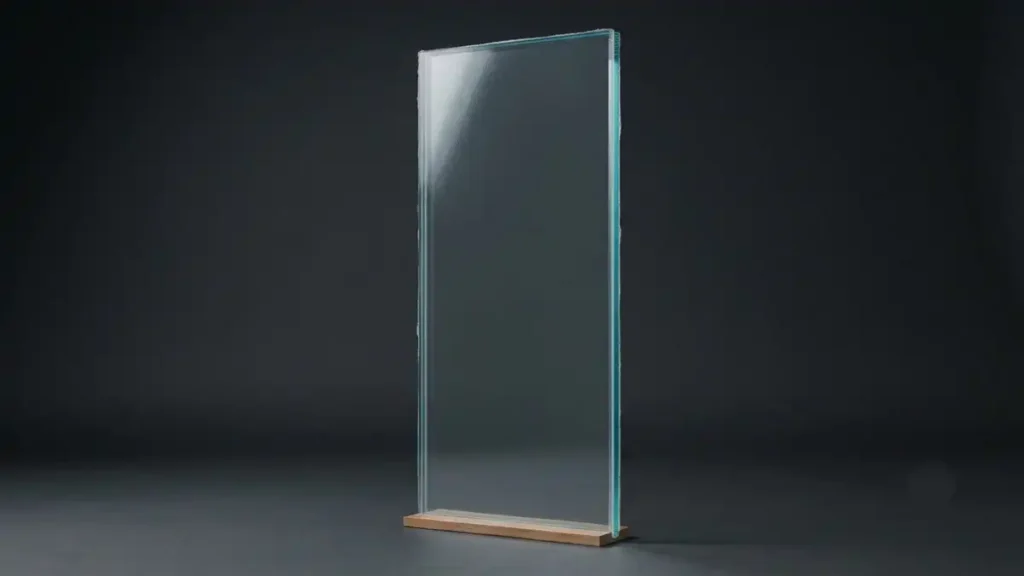
What It Is
Two or more glass layers bonded together with a plastic interlayer (usually PVB).
How It Handles Heat
Limited heat rejection on its own, but when combined with Low-E coatings or tints, it becomes a powerful solution. The PVB interlayer blocks over 99% of harmful UV rays.
BENEFITS
- ✓ Blocks over 99% of UV rays, protecting furniture from fading
- ✓ Enhanced security – glass stays structurally intact when broken
- ✓ Excellent acoustic insulation and soundproofing
- ✓ Can include specialized interlayers that actively reduce SHGC
DRAWBACKS
- ✕ Higher structural cost than standard tempered options
- ✕ Significantly heavier, requiring stronger, reinforced frame setups
- ✕ Heat rejection depends entirely on coatings, not the lamination itself
Best For & Verdict
Highly recommended for homes in noisy urban areas, security-conscious homeowners, and rooms with valuable furniture or art that needs UV protection. **Best combined with Low-E coatings** for a complete, resilient hot-climate setup.
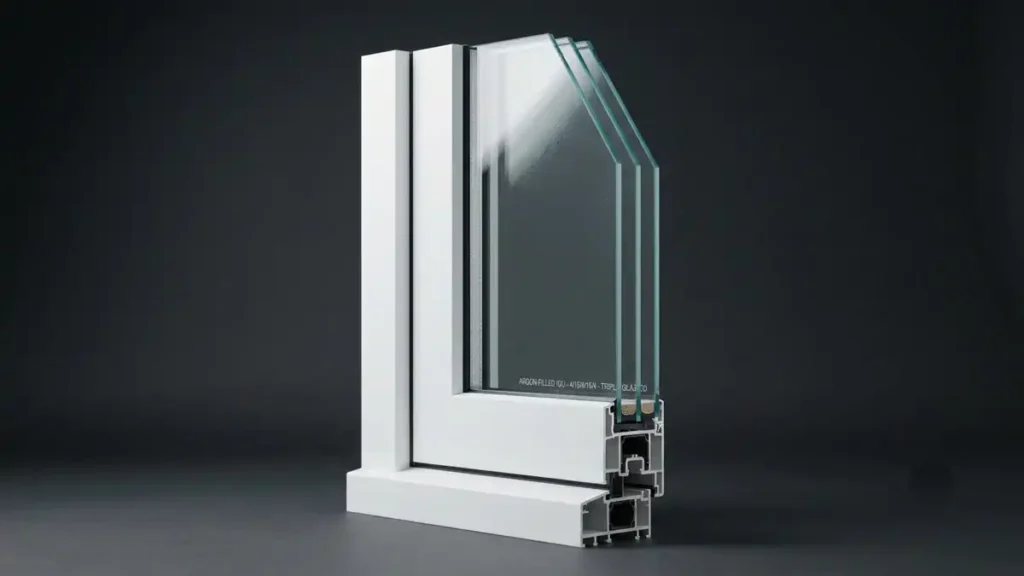
8. Double & Triple Glazing (Insulated Glass)
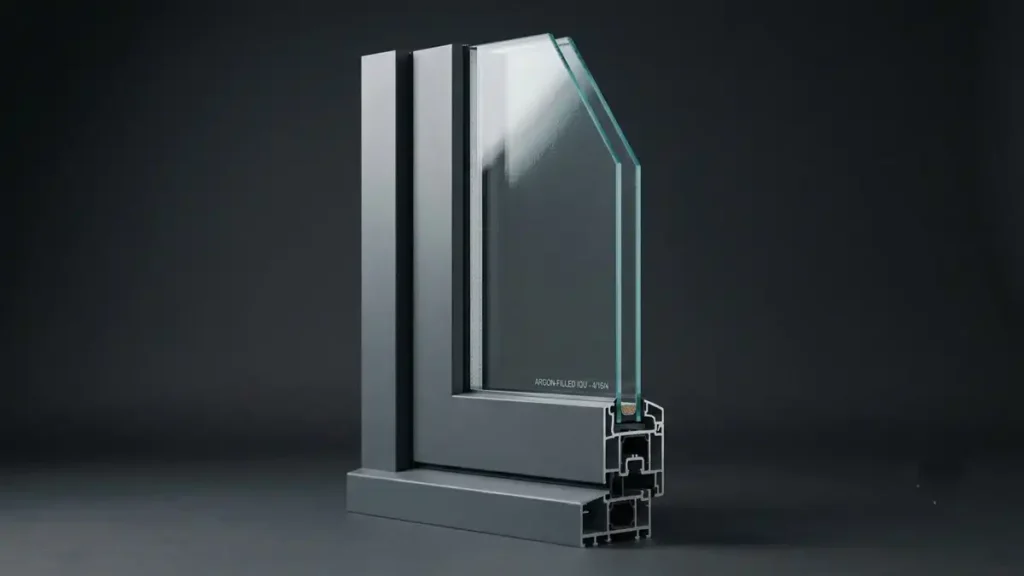
What It Is
Two or three panes of glass with a sealed air or gas gap (argon or krypton) in between.
How It Handles Heat
Heat transfer is dramatically reduced through insulation. The gas-filled gap slows conduction and convection, while multiple panes provide multiple barriers.
ADVANTAGES
- ✓ Significantly reduces heat transfer through conduction and convection
- ✓ Improves energy efficiency dramatically
- ✓ Reduces environmental noise pollution
- ✓ Prevents condensation forming on interior glass surfaces
LIMITATIONS
- ✕ Higher upfront capital cost
- ✕ Heavier architectural weight, requiring robust window hardware and frames
- ✕ Triple glazing may not offer a financial payback window in purely hot climates
Best For & Verdict
Double glazing is the standard recommendation for all hot climate homes. Triple glazing should be reserved for extreme desert environments or homes with very large structural glass areas. Overall, double glazing is essential for modern thermal management.
Quick Comparison Table
| Glass Type | Heat Rejection | Light Transmission | Cost | Best For |
|---|---|---|---|---|
| Clear Float | ❌ Poor | ✅ Excellent | $ | Budget projects, non-habitable spaces |
| Tempered | ❌ Poor | ✅ Excellent | $$ | Safety-critical areas (pair with coatings) |
| Tinted | ✅ Good | ⚠️ Reduced | $$ | Glare reduction, west-facing windows |
| Reflective | ✅✅ Very Good | ⚠️ Reduced | $$$ | High-rise buildings, privacy needs |
| Low-E | ✅✅✅ Excellent | ✅ Good | $$$ | Best all-around choice for hot climates |
| Spectrally Selective | ✅✅✅ Excellent | ✅✅ Excellent | $$$$ | Premium homes, maximum natural light |
| Laminated | ⚠️ Depends on coating | ✅ Good | $$$ | Security, UV protection, soundproofing |
| Double Glazed | ✅✅ Very Good | ✅ Good | $$$ | Essential for all hot climate homes |
| Triple Glazed | ✅✅✅ Excellent | ⚠️ Slightly reduced | $$$$ | Extreme desert climates |
FAQs
Do double-pane windows work in hot climates?
Yes. Double-pane windows with Low-E coatings are highly effective in hot climates. The gas-filled gap provides insulation, while the Low-E coating reflects radiant heat. This combination significantly reduces solar heat gain and cooling costs.
Should I choose Low-E 180, 272, or 366 for hot climates?
For hot climates, you want low solar gain Low-E with an SHGC around 0.20–0.27. High solar gain options like Low-E 180 (SHGC ≈ 0.69) are designed for passive solar heating in cold climates. Avoid high-SHGC Low-E in hot climates – it will make your home hotter.
Does Low-E glass make rooms dark?
Low-E coatings can reduce visible light by 8-15%. However, spectrally selective coatings offer excellent heat rejection with visible light transmission above 45%. Choose spectrally selective Low-E for the best balance.
Can I use reflective glass in a hot climate?
Yes, reflective glass is effective for hot climates. It reflects solar radiation outward rather than absorbing it. However, consider potential glare issues for neighbors and the reduced natural light.
What's the best glass for west-facing windows?
West-facing windows get the most intense afternoon sun. For these, choose low solar gain Low-E glass with an SHGC of 0.25 or lower. Consider adding external shading (awnings, overhangs) for even better performance.
Does tinted glass keep heat out?
Yes, but with a caveat. Tinted glass absorbs solar heat rather than reflecting it. The glass itself gets hot and can re-radiate heat inward. Low-E or reflective glass is more effective for heat rejection.
Final Thoughts
Choosing the right glass for hot climates isn’t complicated when you understand the basics:
- Avoid clear float glass – it lets heat pour in
- Prioritize Low-E glass – it’s the most effective all-around solution
- Choose double glazing – it provides essential insulation
- Consider spectrally selective for maximum light with minimum heat
- Match SHGC to your climate – aim for 0.30 or lower
- Don’t forget the frame – thermally broken aluminum frames are essential
The right glass can transform your home from an oven into an oasis of cool comfort. Invest wisely, and you’ll enjoy lower energy bills, greater comfort, and a more sustainable home for years to come.
Related Articles

Featured
You May Also Like

Aluminum Fence for Any US Climate Durable and Low Maintenanc…
5 Quick Steps to Keep Your Window Fly Screens Clean & Cl…

Aluminium 5754 (Aluminum 5754): The Versatile Workhorse of t…

Aluminium Magazine Launches AlPrice.in — India’s First Real-…

Aluminum Billet Casting Equipment: A Complete Overview for M…
