Aluminium flat bars are versatile structural components widely used in various industries due to their lightweight, corrosion resistance, and excellent machinability. They are extruded aluminium products with a rectangular cross-section and are available in a range of sizes and alloys to suit different applications.
Article Index
Types of Aluminium Flat Bars
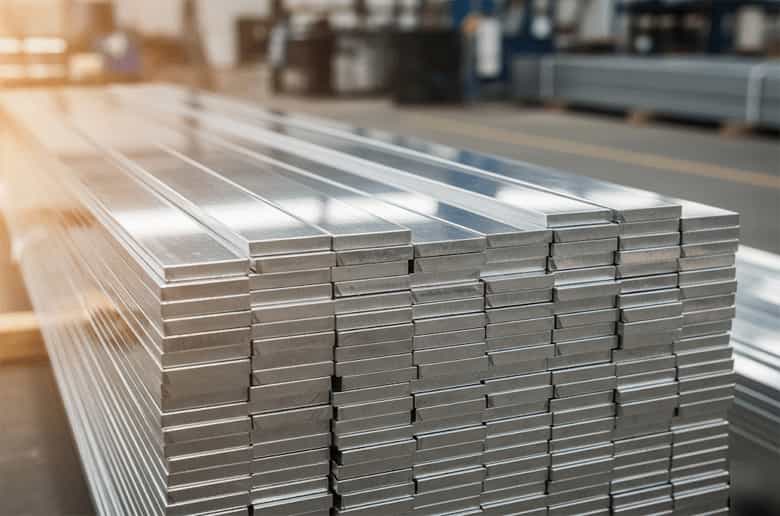
1. 6061 Aluminium Flat Bars
6061 aluminium flat bars are one of the most commonly used alloys due to their excellent weldability, corrosion resistance, and good formability. They are suitable for a wide range of applications, including aerospace components, marine fittings, and structural frameworks.
2. 6063 Aluminium Flat Bars
6063 aluminium flat bars are known for their superior finishing properties and are often used in architectural applications such as window frames, door frames, and trim. They offer good corrosion resistance and are easy to anodize for enhanced surface protection.
3. 7075 Aluminium Flat Bars
7075 aluminium flat bars are high-strength alloys primarily used in aerospace applications where strength and durability are critical. They offer excellent machinability and are often found in aircraft structures, missile components, and high-performance applications.
4. 5083 Aluminium Flat Bars
5083 aluminium flat bars are known for their exceptional performance in extreme environments. With superior corrosion resistance, especially in marine and coastal environments, they are often used in shipbuilding, offshore oil rigs, and other applications exposed to harsh weather conditions. Their high strength-to-weight ratio makes them ideal for heavy-duty applications.
5. 2024 Aluminium Flat Bars
2024 aluminium flat bars are one of the strongest aluminium alloys available, known for their excellent fatigue resistance and high strength. They are commonly used in aircraft and aerospace applications, as well as military and defense industries. 2024 flat bars are highly durable but less resistant to corrosion compared to other alloys, making them ideal for applications where strength is a priority over corrosion resistance.
Aluminium Flat Bar Sizes and Dimensions
Aluminium flat bars are available in a wide range of sizes to accommodate different load-bearing capacities and structural requirements. The sizes typically range from 1/8 inch thick up to 4 inches thick, and widths can vary from 1/2 inch up to 12 inches or more, depending on the alloy and manufacturer specifications.
Aluminium Flat Bar Size Chart
👉 📱Mobile Users: Scroll this table horizontally →
| Width (mm) | Thickness (mm) | Length (mm) | Weight (kg/mm) | Common Applications |
|---|---|---|---|---|
| 10 | 3 | 6000 | 0.081 | Small brackets, decorative uses |
| 20 | 3 | 6000 | 0.162 | Frames, light-duty structural use |
| 25 | 3 | 6000 | 0.202 | DIY projects, general fabrication |
| 30 | 3 | 6000 | 0.242 | Furniture, small supports |
| 40 | 5 | 6000 | 0.538 | Machine parts, medium-duty supports |
| 50 | 5 | 6000 | 0.673 | Heavy-duty structural use |
| 60 | 5 | 6000 | 0.808 | Machinery, industrial applications |
| 75 | 6 | 6000 | 1.213 | Load-bearing frames, heavy machinery |
| 100 | 10 | 6000 | 2.695 | Heavy-duty supports, industrial structures |
| 150 | 12 | 6000 | 4.846 | Structural reinforcement, frames |
Standard Aluminium Flat Bar Dimensions (Thickness, Width, and Length)
👉 📱Mobile Users: Scroll this table horizontally →
| Thickness (inches) | Thickness (mm) | Width (inches) | Width (mm) | Length (feet) | Length (mm) |
|---|---|---|---|---|---|
| 1/8 | 3.18 | 1 | 25.40 | 8 | 2438 |
| 1/4 | 6.35 | 2 | 50.80 | 10 | 3048 |
| 3/8 | 9.53 | 3 | 76.20 | 12 | 3658 |
| 1/2 | 12.70 | 4 | 101.60 | Custom | Custom |
| 5/8 | 15.88 | 6 | 152.40 | ||
| 3/4 | 19.05 | 8 | 203.20 | ||
| 1 | 25.40 | 10 | 254.00 | ||
| 1-1/4 | 31.75 | 12 | 304.80 | ||
| 1-1/2 | 38.10 | ||||
| 2 | 50.80 | ||||
| 3 | 76.20 |
Tolerances
- Width and Thickness: ±0.005″ to ±0.25″ (depending on thickness)
- Length: ±12.7mm (varies based on supplier)
Density Range:
Here’s what you need to know about the density of aluminium bars in the industry:
Most aluminium alloys used for bars will have densities within a relatively narrow range, typically from about 2600 kg/m³ to 2800 kg/m³.
Common Alloys and Their Densities:
Here are a few examples of common aluminium alloys used for bars and their approximate densities:
- 6061 Aluminium:
A very popular alloy for general-purpose applications, including structural components. Its density is around 2700 kg/m³. - 6063 Aluminium:
Another common alloy, often used for extrusions and architectural applications. Its density is also around 2700 kg/m³. - 5083 Aluminium:
Known for its excellent corrosion resistance, often used in marine environments. Its density is around 2650 kg/m³. - 2024 Aluminium:
A high-strength alloy often used in aerospace applications. Its density is around 2780 kg/m³. - 7075 Aluminium:
A high-strength alloy, primarily used in aerospace and military applications. Its density is around 2810 kg/m³.
Factors Affecting Density:
The exact density of an aluminium bar will depend on the specific alloy composition. Even small variations in the amounts of alloying elements can affect the overall density.
Aluminium flat bars are indispensable in modern construction and manufacturing due to their lightweight, strength, and corrosion resistance. Understanding the types, sizes, applications, and finishes of aluminium flat bars helps in selecting the right material for specific project requirements. Whether it’s for structural support in buildings or decorative elements in architecture, aluminium flat bars offer versatility and reliability across various industries.
By providing this comprehensive guide, we aim to assist engineers, architects, and project managers in making informed decisions about utilizing aluminium flat bars effectively in their projects. For more detailed specifications and custom requirements, consult with your trusted aluminium supplier or manufacturer.


Featured


You May Also Like

Aluminium Stearate (Al(C₁₈H₃₅O₂)₃): The Complete Guide

Home Window Tinting: The Benefits You May Not Know About

How to Maintain Aluminum Windows – Tips You Need!

Aluminium Kitchen Cabinets: Exploring Advantages and Disadva…

Understanding the Basics of Aluminium Fabrication Processes