
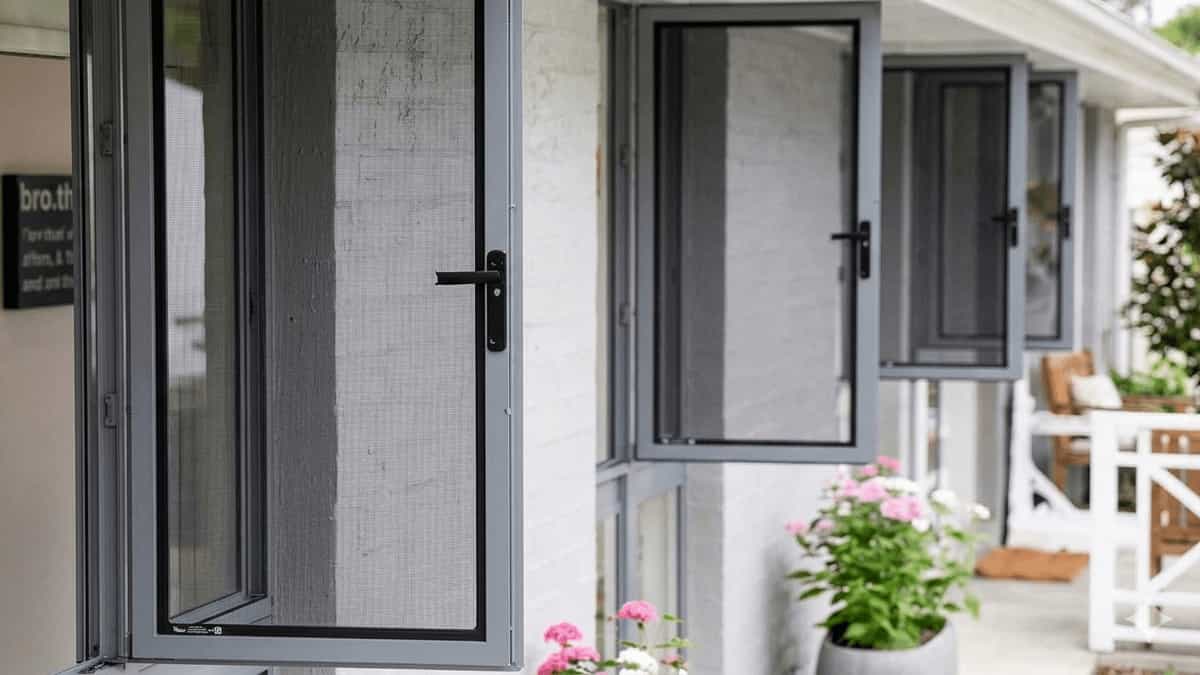
For an aluminium casement frame, the mosquito net must be durable and capable of handling frequent opening and closing without tearing or deforming. Here’s a breakdown of which mesh screens will work well and which won’t:
Mesh Screens that Work Well:
Aluminium Mesh Screen:
Advantages: Durable, rust-resistant, and matches the aluminum frame aesthetically. It can withstand frequent use without losing its shape, making it a good fit for casement frames.
Disadvantages: Heavier than fiberglass or polyester but manageable for a casement system.
Fiberglass Mesh Screen:
Advantages: Lightweight, flexible, and affordable, it works well for casement frames because it allows easy opening and closing without putting too much strain on the frame.
Disadvantages: Less durable compared to metal mesh but good enough for residential use.
Works Well: Yes, commonly used in casement frames due to its flexibility and ease of use.
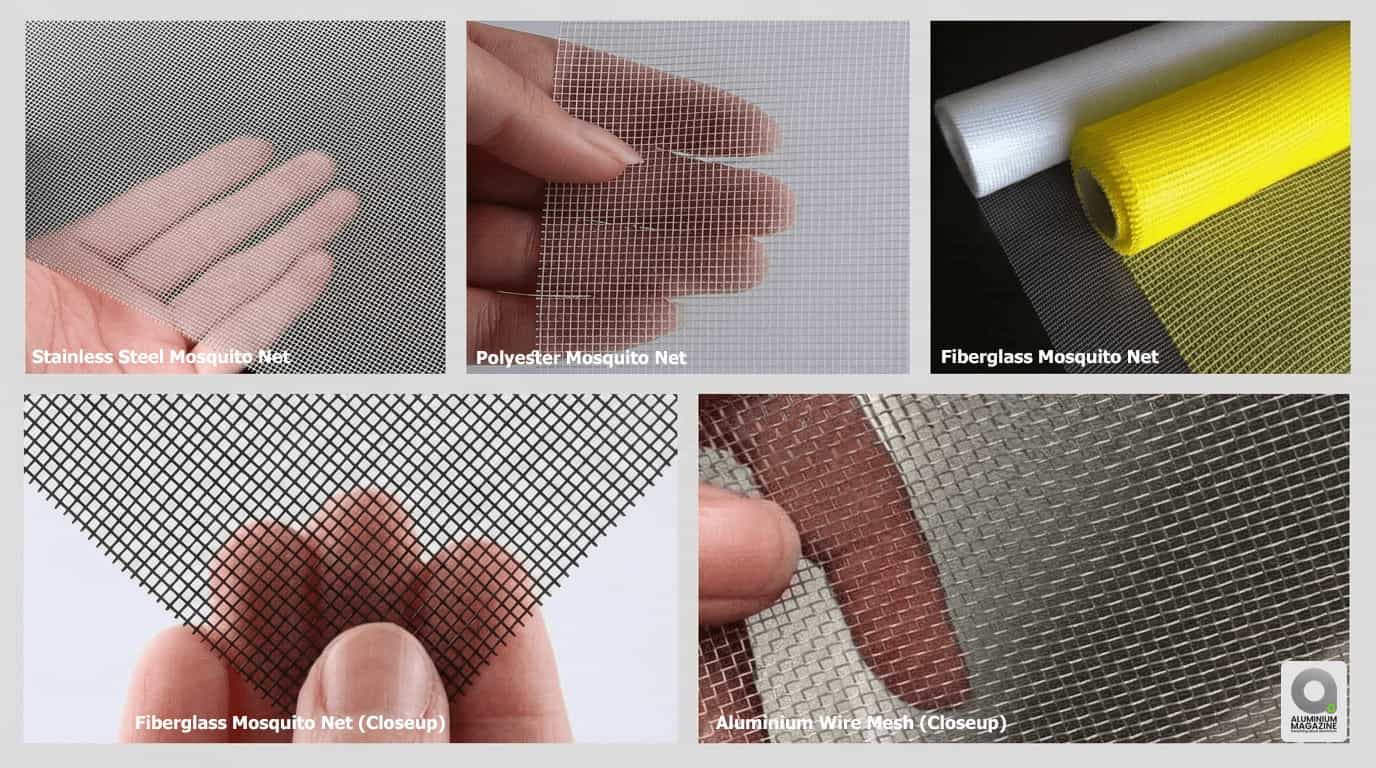
Polyester Mesh Screen:
Advantages: Stronger and more durable than fiberglass, while still being flexible and lightweight. It’s resistant to wear and UV damage, making it ideal for casement frames that are frequently opened and closed.
Disadvantages: Slightly more expensive than fiberglass, but its durability makes it worth the cost.
Works Well: Yes, great for casement frames due to its durability and flexibility.
Works Well: Yes, excellent for durability and long-term use in high-traffic areas.
Stainless Steel Mesh Screen:
Advantages: Extremely durable, rust-resistant, and strong, ideal for areas that need extra security and durability. It can handle the frequent movement of a casement frame.
Disadvantages: Heavier and more expensive, but works well if security and longevity are priorities.
Works Well: Yes, especially for heavy-duty use or where additional security is needed.
Mesh Screens that May Not Be Ideal:
- Gauze Mesh Screen:
- Disadvantages: Too fragile and prone to tearing, especially with frequent use in a casement frame. It won’t stand up to the regular opening and closing of the frame.
- Doesn’t Work Well: No, too delicate and not suitable for long-term use in casement frames.
- Copper Insect Screen:
- Disadvantages: Copper is heavy and prone to oxidation over time, which can affect the frame’s appearance. Its weight may also put too much strain on the casement mechanism.
- Doesn’t Work Well: No, it’s too heavy and can corrode, making it impractical for casement frames.
- Brass Insect Screen:
- Disadvantages: Similar to copper, brass is heavy and not flexible, which can make it difficult for smooth operation in a casement frame. Additionally, brass tarnishes over time.
- Doesn’t Work Well: No, for the same reasons as copper—it’s too heavy and prone to tarnishing.
While the frame provides the structure, the mesh material determines the performance. Click here to see which of these 8 mosquito net materials works best for high-traffic casement windows.
-Ads-
For aluminium casement frames, the best options are fiberglass, polyester, aluminum, and stainless steel mesh screens due to their balance of durability, flexibility, and ability to handle frequent movement. Copper, brass, and gauze are not suitable because they are either too heavy, rigid, or fragile to function well in a casement frame system.
Related Articles


Featured

You May Also Like
Aluminium Lactate (C₉H₁₅AlO₉): The Complete Guide

Aluminum (Bi-Fold)Folding vs. Sliding Doors – Which Design A…
Aluminium Scrap Rates Today (India)

Production and uses of Aluminum Foil

Aluminium Can vs Plastic Bottle vs Glass Bottle: The Real Wi…
